By M.R. Narayan Swamy
How did Hindu temples come to dot the skyline in parts of Southeast Asia at a time when Buddhism too was spreading its wings?
To answer this, we need to turn to the visionary Pallava kings, who ruled a sprawling region in southern India with Kanchipuram as their capital, overcoming military defeats with patience, confidence, and bravery.
And who better to unveil this story than William Dalrymple, one of Scotland’s foremost historians, who has made Delhi his home and has the ability to weave complex historical facts into an engaging and accessible narrative.
Our saga begins with Mahendravarman Pallava (571 to 630 CE), the third monarch and the most creative of all kings in the great Pallava dynasty, which ruled much of Southeast Asia from the third to the ninth century.
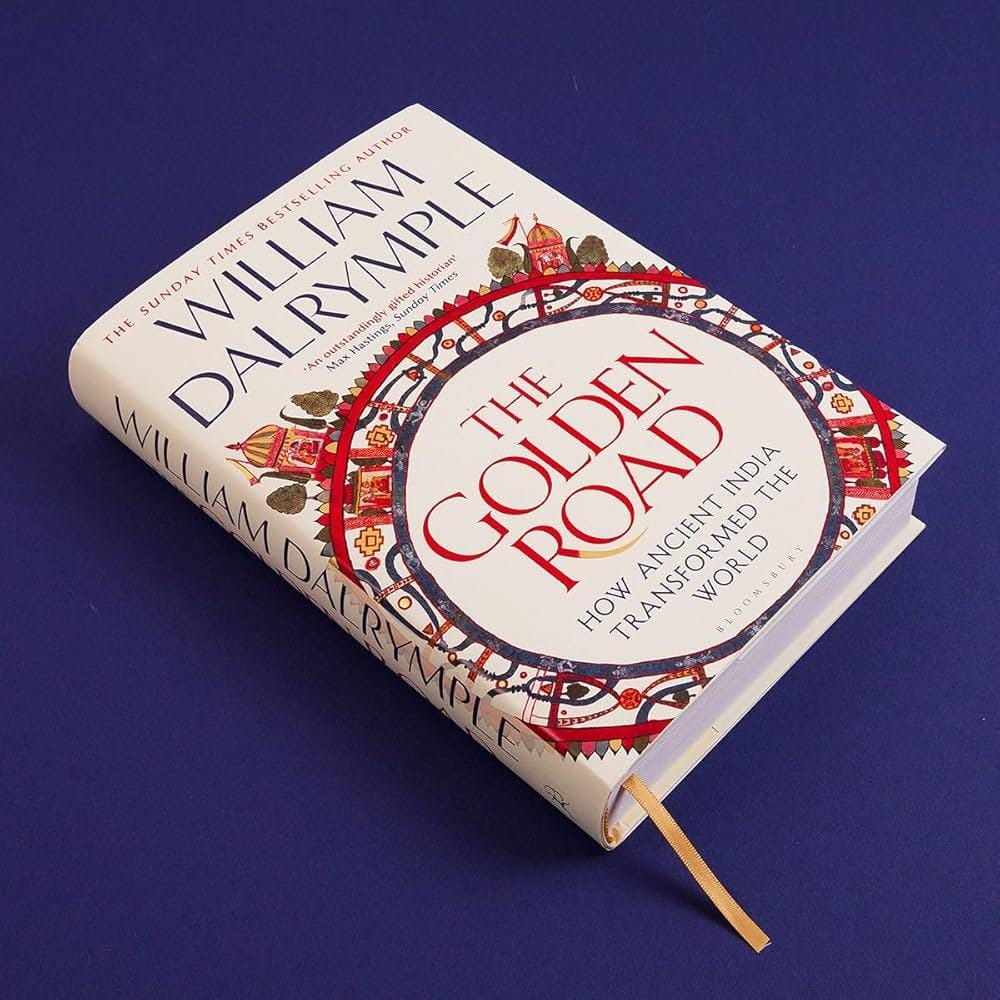
In his celebrated work The Golden Road: How Ancient India Transformed the World (Bloomsbury Publishing), Dalrymple says it was under his rule that an intellectual and artistic renaissance swept the Tamil country.
He was the first to bring the traditions of rock-cut cave architecture to the scenic Coromandel Coast. Mahendravarman was also probably the first of the Pallavas to embrace devotional Puranic Hinduism, after the celebrated poet-saint Appar converted him from Jainism to Shaivism.
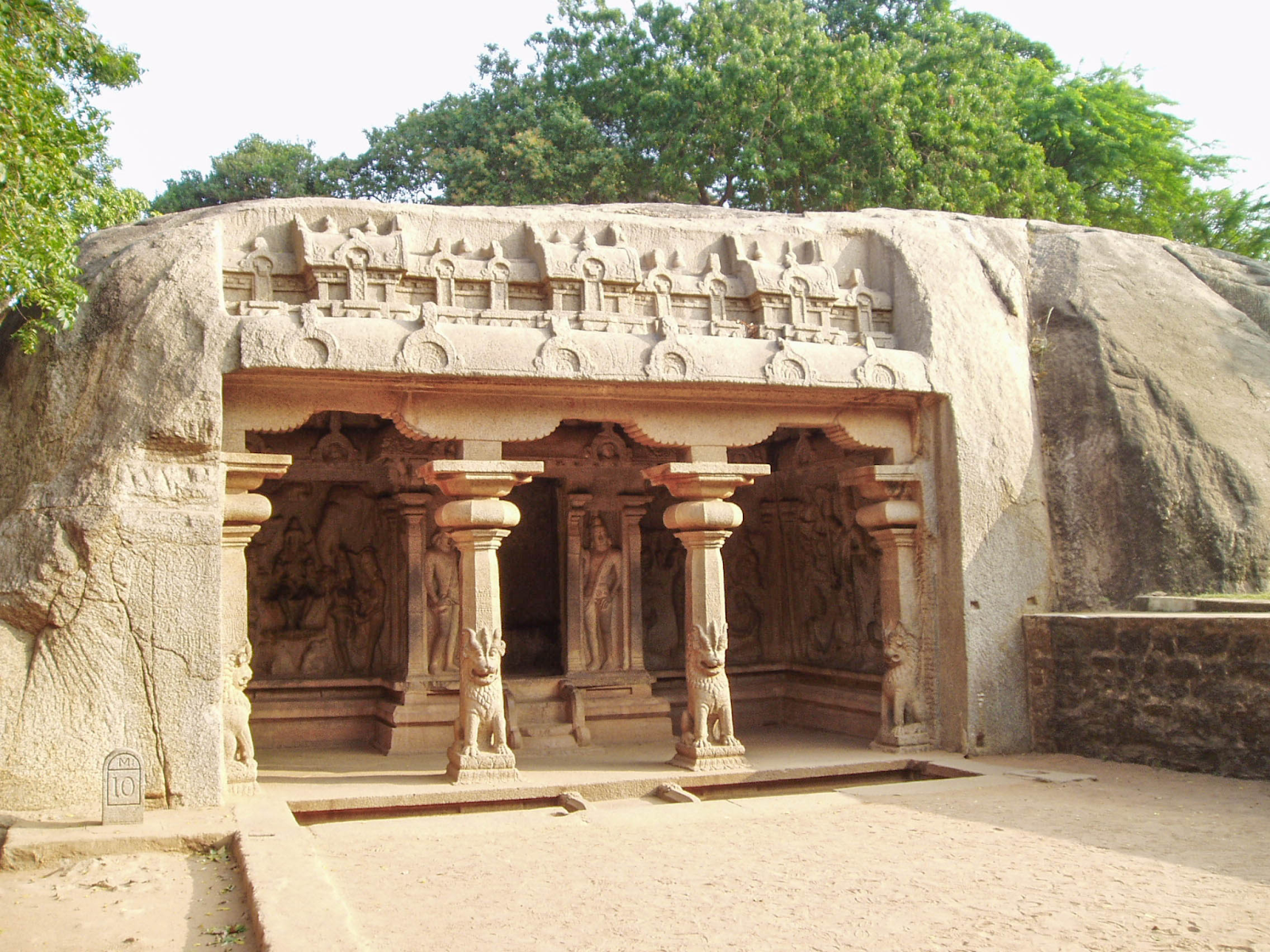
Before it became a major center of Shaivism, Kanchipuram was also one of the main Buddhist hubs in India, second in fame only to the iconic Nalanda.
Mahendravarman, the author tells us, may also have been the first ruler to patronise the casting of bronzes, which eventually became South India’s most distinctive art form.
Mahendravarman’s son, Narasimhavarman (630–668 CE), turned the Pallavas into a major trading power, aiming to dominate the lucrative overseas trade with countries to the east—present-day Southeast Asia.
Narasimhavarman (also known as Mamalla) named the port of Mamallapuram, south of Chennai, after himself. It soon blossomed into one of the world’s great centers of trade and the arts.
It was from here that he dispatched two military expeditions against Sri Lanka. Fleets of trading ships loaded with wealth then followed to Southeast Asia.
Indian traders carried cargoes full of textiles, metal goods, and other manufactured products, which they exchanged for spices, camphor, resin, and other raw materials. They were also drawn by the rich gold deposits in Sumatra and Sarawak, as well as the small gold mines scattered across the region.
Many of the sailors and merchants from the Pallava kingdom were initially non-Brahmins, as Brahminical injunctions on seafaring did not apply to them. However, Brahmins too began journeying to Southeast Asia in increasing numbers.
Predictably, over time, people in Southeast Asia who spoke different languages, both on the mainland and in maritime centers, began to adopt Sanskrit. Indian epics and books were read, copied, and recited across the region.
It is no wonder that Shiva lingams, Vishnu images, and freestanding Buddhas have been discovered during excavations in many of these countries. The lost-wax technique mastered by the Pallavas was used in the region to make hand-held statuettes.
By the third century, a script based on a form of South Indian Brahmi was in widespread use in Southeast Asia. There was also wholesale adoption of the Indic religion, languages, art, and culture.
It helped that there was a free mixing of Hinduism and Buddhism then.
Some 400 Pallava-style shrines and temples were built between 675 and 725 in central Java. Hindu temples had earlier come up in the Mekong Delta, and more were later constructed across the sprawling Khmer region, now Cambodia.
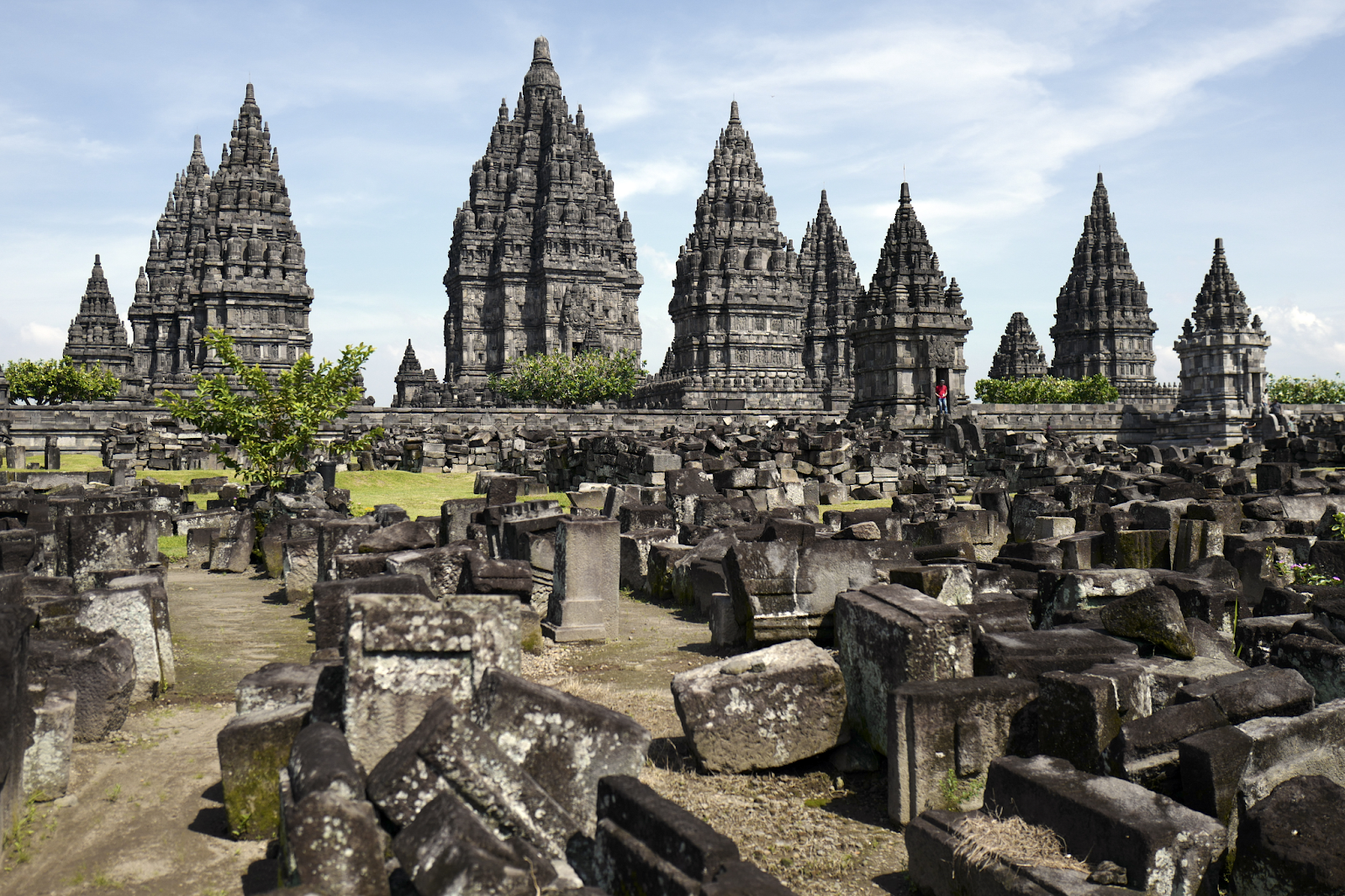
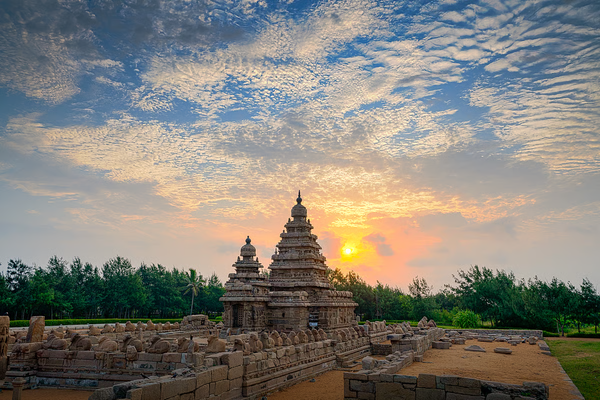
Most of these temples were strikingly similar to the Shore Temple at Mamallapuram and featured the same saints and deities favoured in the Pallava heartlands. But they were not mere copies.
The small steps eventually led to one of the biggest and most imposing of Hindu temples at Angkor Wat in Cambodia.
Khmer Prince Jayavarman II was a committed Hindu who looked to Lord Shiva as his personal deity.
Many Khmer kings chose the daughters of Brahmins who had arrived from India to be their queens.
Says Darlymple: “Behind this imported mythology lay a verifiable historical truth: from around the fourth and fifth centuries CE, the nascent city states across the breadth of monsoon Asia all began to look to Indian political and religious models, and started to adopt, to different extents, many of the ideas of statecraft brought by the Indian Brahmins who were docking in increasing numbers at their ports.”
By the fifth century, almost all chiefs and kings of Southeast Asia began adopting the names of Hindu gods – such as Rudravarman and Jayavarman.
But despite the influx of Indian ideas, some things in Southeast Asia didn't change. Caste hierarchies so peculiar to Hinduism did not pollute the region; most Southeast Asians rejected vegetarianism, and women enjoyed high status.
At the same time, non-Vedic, non-Brahminical Tamil folk and village guardian deities, such as Aiyanar, also appeared in Southeast Asian temples.
According to the book, sometime in the 6th century, a wayward group of Shavia ascetics, known as the Pashupatas, arrived in Cambodia from India. They spearheaded a new wave of Shaivism, which gradually became the dominant faith in the region.
By the close of the 8th century, the entire landscape of Southeast Asia was dotted with newly built Hindu and Buddhist temples and shrines for gods and religions imported from South Asia.
The book also speaks about the political and economic alliance formed between the Khmers and the Pallavas’ successors, the great Cholas of Thanjavur. The two kingdoms realised that their interests coalesced.
But that is another story.