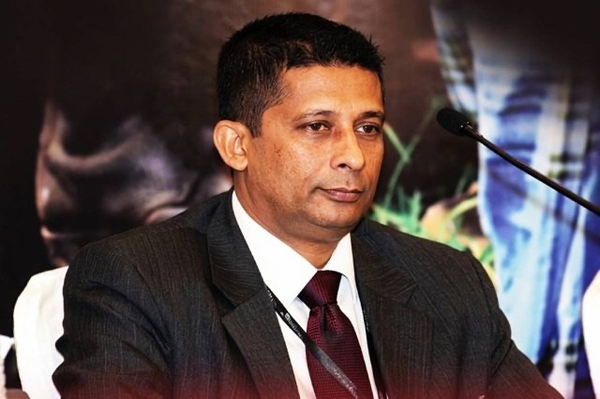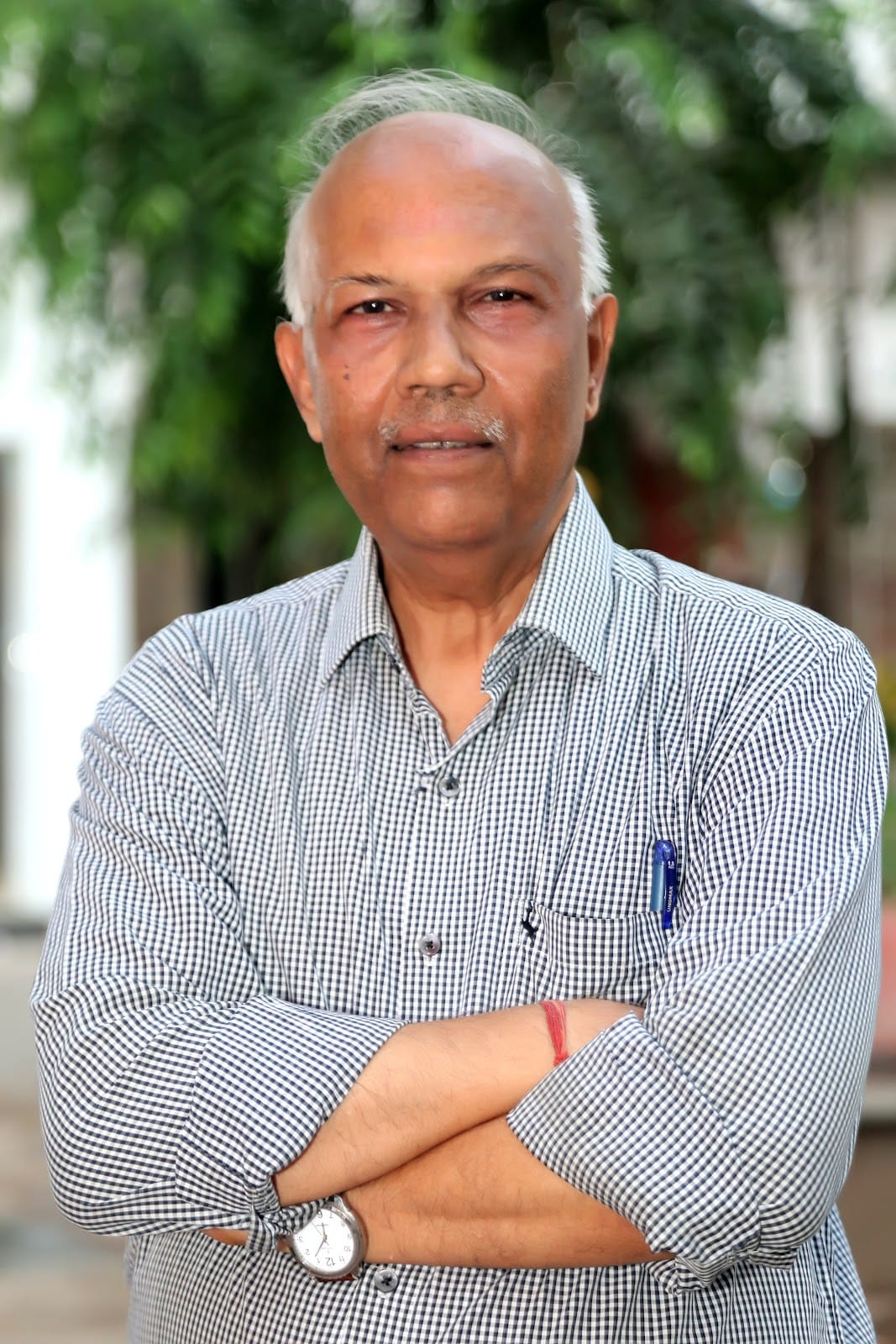
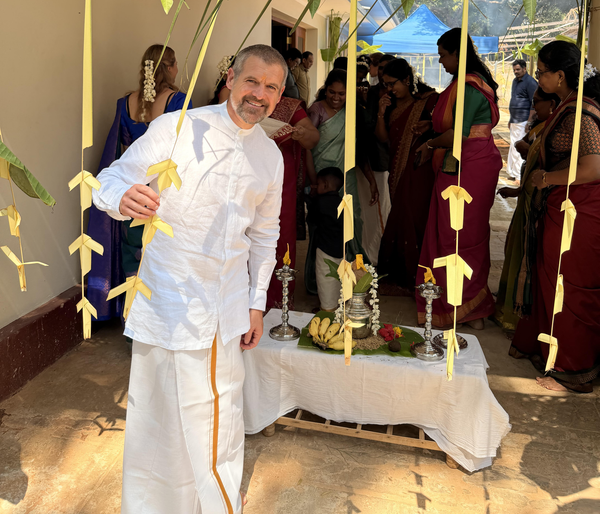
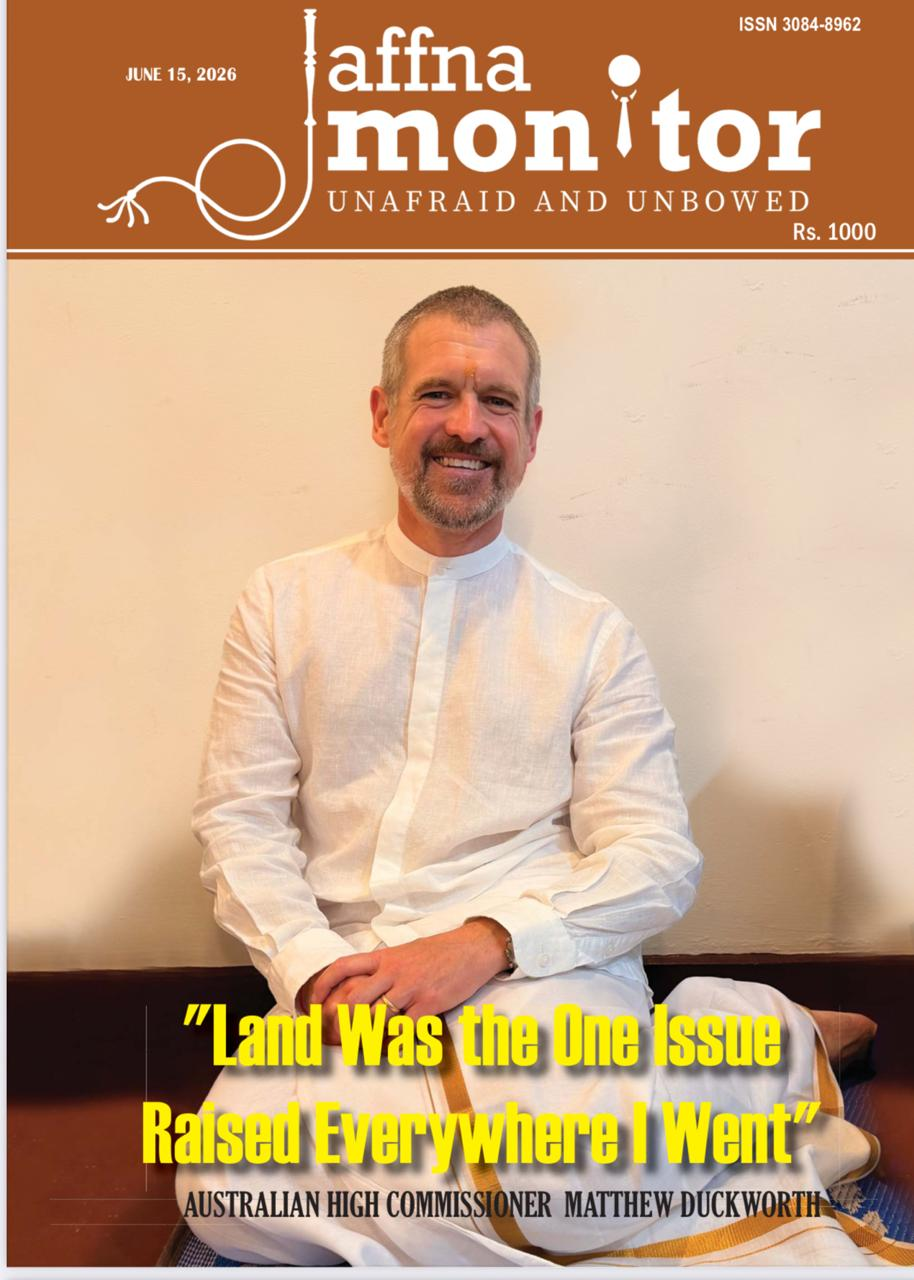
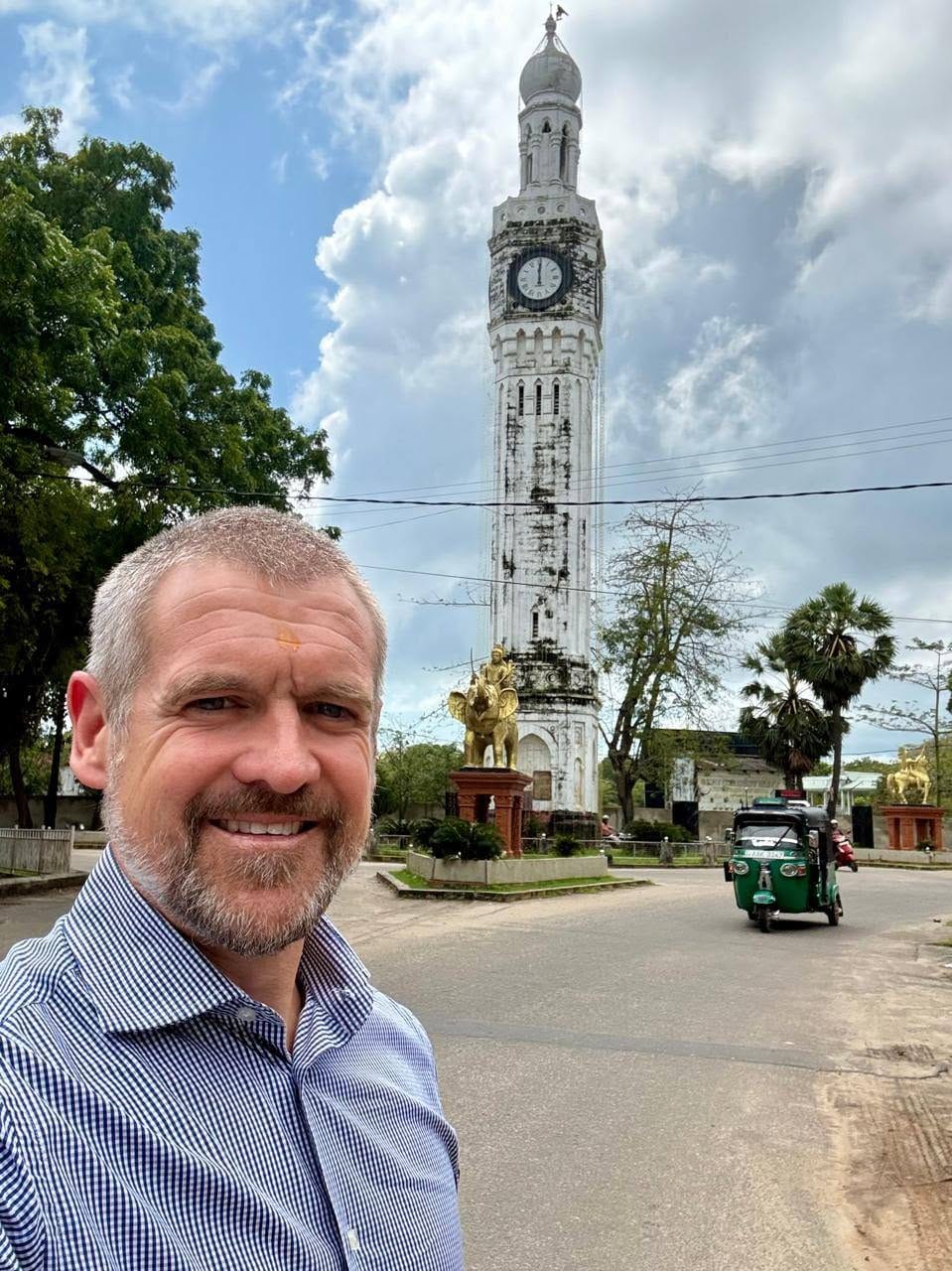
Matthew Duckworth assumed office as Australia’s High Commissioner to Sri Lanka in the latter part of 2025. Within his first six months in the role, he visited the Northern Province twice — first during Thai Pongal in January and again in May — travelling through Jaffna, Mullaitivu and other parts of the North. In a wide-ranging interview with Jaffna Monitor, he reflected on Australia’s development engagement in the North and East, land return and the military presence, transitional justice, the Prevention of Terrorism Act, political devolution, irregular migration, and the contributions of the Sri Lankan Tamil community to Australian society.
Just a couple of days ago, the Australian High Commission organised an iced-coffee dansala for Vesak, embracing one of Sri Lanka’s most cherished traditions. When you first arrived in Sri Lanka, you also made headlines for travelling in a three-wheeler and exploring Colombo in a way many diplomats would not. How important do you think these seemingly small cultural interactions are in building genuine connection and mutual understanding between countries and their peoples?
We love to do things that resonate with the community here. When we had the opportunity to participate in the Vesak festivities, we thought, why not? It’s a great concept. The team did it for the first time last year, and it was very popular, so we thought we’d do it again. It’s just a really nice way to meet people from the community and have a bit of fun.
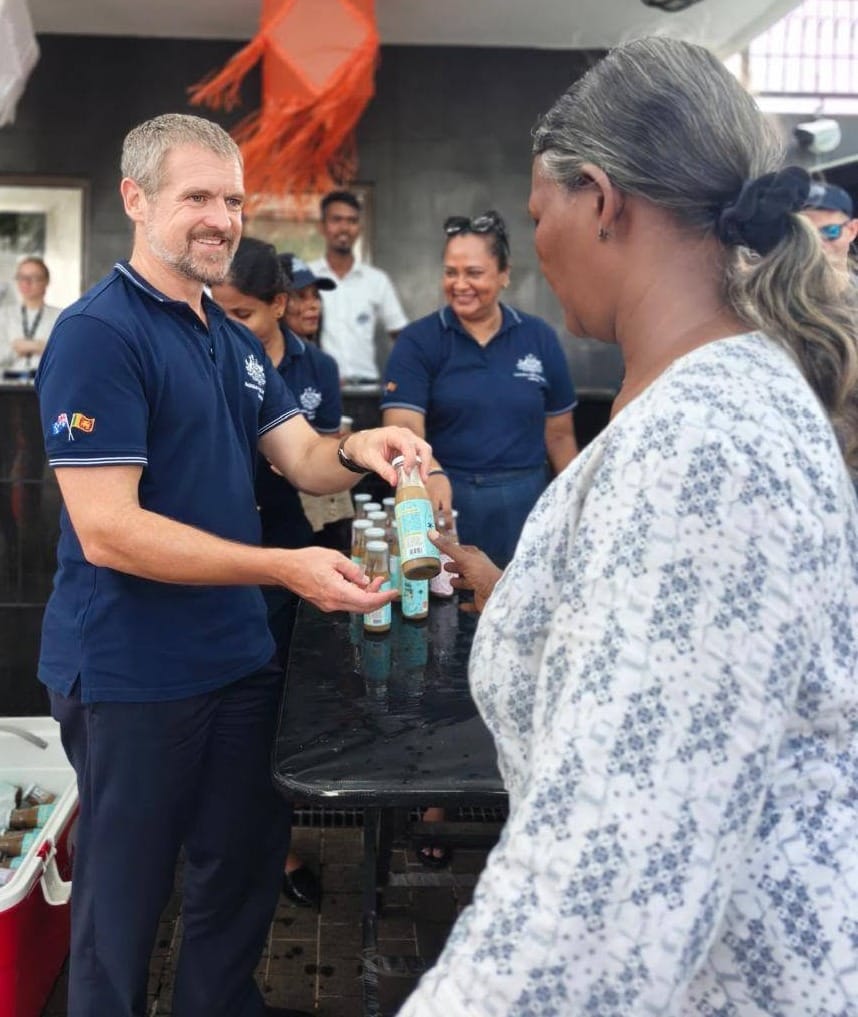
Why iced coffee? What’s the reason?
The group we were working with was Soul Coffee. Australia has contributed quite a bit of development support to growing the coffee sector here in Sri Lanka. We have a development programme called the Market Development Facility, which works across an entire supply chain to help raise the incomes of small producers.
So you’ve got a farmer who produces tea, coffee beans, fruit, or whatever it may be. The question is: how do you help that person earn a higher income and enjoy a better livelihood? Instead of simply giving that person money, the programme looks at how to make improvements sustainable. We work with farmers to provide better seeds, fertilisers and other support. But we also look at other parts of the chain, such as marketing. How can you improve the packaging? How can you strengthen the supply chain to make the products more appealing to, say, the tourism sector and command a higher price?
Then we work with marketers and exporters at the other end to help open up new markets for the product. All of this is aimed at improving livelihoods for farmers. We first applied this approach in the coffee sector. We’ve been working there for about six or seven years, and it’s been very successful. The sector has seen significant growth as a result, and the small farmers who dominate it are earning more income. So it’s a great thing.
So you visited the Northern Province twice within six months, I believe?
That’s correct, yes — twice. In January and then in May. My visit to Jaffna in January this year was the first time I’d been to the Northern Province.
As High Commissioner, or for the first time ever?
It was the first time I had ever been to the Northern Province in any capacity. I was really keen to understand a bit more about the province and what makes it unique — what makes it such a distinctive and important part of this country.
We visited during Thai Pongal, and we were keen to learn more about the cultural history of Jaffna as well. We were also very pleased to celebrate with a civil society organisation in Jaffna that we have been working with.
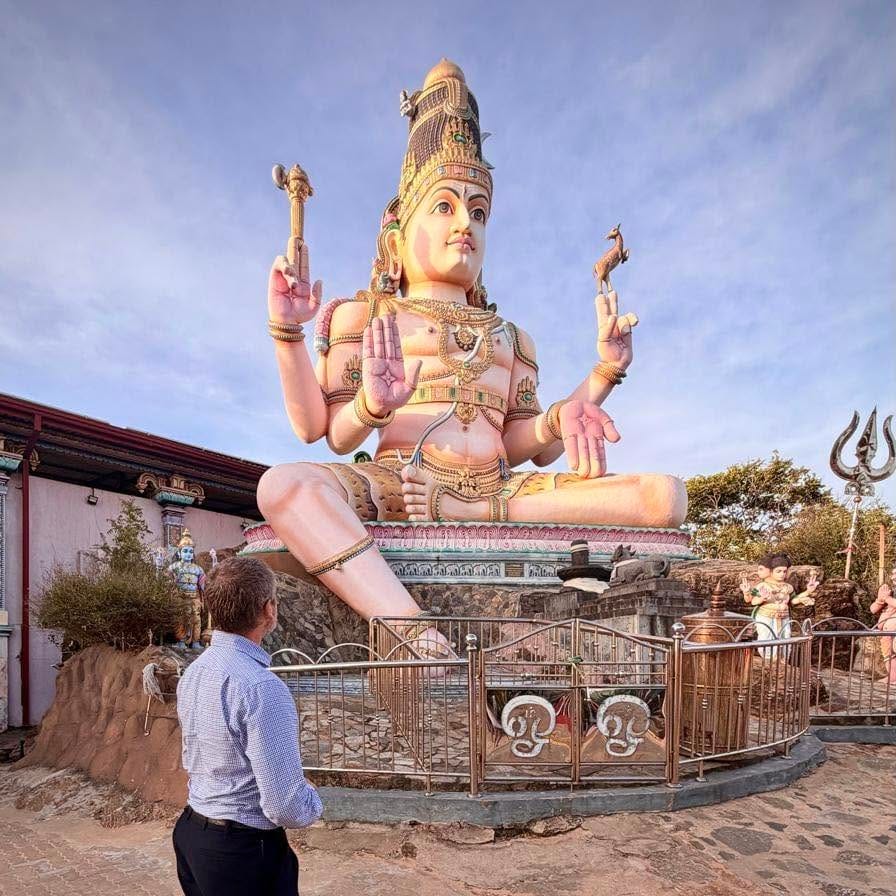
We attended the Jaffna Kite Festival in Valvettithurai, which was incredible. Of course, we also visited Nallur Temple and the Jaffna Public Library, and met with a range of politicians, community leaders, and civil society groups in Jaffna.
Look, I really enjoyed my time in Jaffna. It struck me as a place that is uniquely Sri Lankan. The food was very Sri Lankan — it was spicier than what I’m used to down here in Colombo! There was also some really creative use of the seafood, fruits, and local produce available there.
But I also really enjoyed engaging with the community. We have a large Sri Lankan Tamil community in Australia, so there are many connections between Australia and Jaffna and the Northern Province. It was fantastic to explore some of those connections. I thoroughly enjoyed my trip, and I can’t wait to go back.
Was that the first time you had taken part in a Thai Pongal festival?
Yes, it was.
And the first time you wore a veshti?
Yes — that’s right. And I can see why people wear it: it’s so much more comfortable than wearing a business suit in that climate! It felt very appropriate.
But, again, it was important to me to demonstrate as much understanding of the local community as possible. I felt that wearing local attire for that festival was more fitting than wearing a Western suit. It was a small way of showing respect for the occasion and engaging with the community in a meaningful way.
You also seemed to immerse yourself fully in the cultural rituals associated with Thai Pongal, very much in the Jaffna tradition. How did you manage that?
[Laughs] I was well-trained by the Jaffna men who were there around me, showing me what to do. But I’m glad if I pass as a Jaffna native — I’ll take that as a compliment from you.
Australia is home to a large Sri Lankan community, including a significant number of Tamil Australians. Over the years, many Sri Lankan Australians have become prominent in fields ranging from politics and business to medicine and academia. How do you view the contribution of the Sri Lankan-Australian community — particularly Tamil Australians — to Australia’s social, cultural, and economic life? And what role do you think this community plays in strengthening the ties between Australia and Sri Lanka?
We are so proud of our Sri Lankan-Australian community. It makes such a positive contribution to Australia. We think the numbers now exceed 180,000 Sri Lankan-Australians. And you’re right — I think the population is roughly split 50-50 between Tamils and other ethnic communities from Sri Lanka. But it’s a really vibrant and significant community in Australia.
What has struck me since taking up this role and learning more about our diaspora is just how successful they are. We have prominent Tamil Australians, as well as Sri Lankan Australians more broadly, succeeding in politics. Some Sri Lankan Australians are now members of our Parliament. They are succeeding in business and in key professions such as medicine.
We know there is a strong tradition of education and medical training associated with Sri Lanka. On a personal level, back in Australia, my own general practitioner, Dr Arudpragasam, and my local dentist, Dr Chellappah, are both Tamil Sri Lankan-Australians.
It is a community that has contributed enormously to Australian society and serves as an important bridge between our two countries.
We are also seeing Sri Lankan Australians achieve remarkable success in the cultural sphere, particularly in the arts. Australia’s highest literary honour is the Miles Franklin Award. It is often compared to the Booker Prize or the Pulitzer Prize and is regarded as the country’s most prestigious award for a novel.
To date, two Sri Lankan-Australian authors have won the award. Most recently, Shankari Chandran, a proud Tamil-Australian, received the honour for her novel Chai Time at Cinnamon Gardens. The story is centred on a Sri Lankan-run nursing home in Sydney, where elderly Sri Lankan residents share their life stories. Those stories move between their experiences in Sri Lanka and their lives in Australia.
There is also a connection in the novel to the Jaffna Public Library and the history of Jaffna. I will not spoil the story for you, but it is a wonderful book, and I thoroughly recommend reading it.
We also have a very prominent playwright, S. Shakthidharan, whose award-winning play Counting and Cracking draws on his family’s experience between Jaffna and Australia. It explores the complexities of moving between cultures and generations.
The point I am making is that Tamil Australians are making a tremendous contribution to our society, and the relationship is a very positive one.
You also asked how the Australian Government engages with and reaches out to these communities. I think we are gradually getting better at this. Our government and political leaders are becoming increasingly attuned to the communities they represent.
In particular, Members of Parliament whose electorates include large Sri Lankan and Tamil diaspora populations are actively involved in community events and celebrations. They participate in important cultural and religious occasions such as Thai Pongal, Vesak, and other festivals. They also meet regularly with community groups and do their best to represent their concerns and perspectives within the Australian Government.
One of the emerging success stories from the Sri Lankan Tamil diaspora in Australia is that of Nitesh Samuel. His father played cricket for St John’s College in Jaffna, while Nitesh, as a first-generation Australian of Sri Lankan Tamil heritage, has gone on to represent Australia at Under-19 level and has attracted considerable attention for his performances. When you see young people like Nitesh excelling in sport, the arts, politics, and other fields, what does that say about the journey of the Sri Lankan Tamil community in Australia?
Indeed. You mentioned Nitesh Samuel. We also have Nishan Velupillay, who has recently been selected for Australia's men's football team for the FIFA World Cup finals, which are set to begin in about a week's time.
So yes, Sri Lankan Australians and Tamil Australians are making a wonderful contribution to our sporting teams. I do sometimes wish we could have had a young spin bowler called Muralitharan when he was around, but unfortunately, we missed out on him!
But it’s great to see these first-generation Australian Tamils coming through and achieving such success. In many ways, it’s what I would expect because, as I said earlier, these communities are thriving in Australia and form an important part of our society.
One of the great strengths of Australia today is that we are a genuinely multicultural society. As a result, we are increasingly seeing people from a wide range of backgrounds — whether they migrated to Australia themselves or grew up there — reaching the highest levels of politics, the arts, business, and sport. That is a very positive thing.
Australian universities host thousands of Sri Lankan students each year, and Australia also offers fully funded scholarships to Sri Lankans. The newly appointed Municipal Commissioner of Jaffna, D.C. Aravintharaj, is one such alumnus. How important are education and scholarship programmes in strengthening long-term ties between Australia and Sri Lanka?
Indeed, he was an Australia Awards recipient a few years ago, which is wonderful to hear. That is exactly the kind of outcome we hope to see.
Education is a foundational part of the Australia–Sri Lanka relationship. In many ways, it sits at the bedrock of our ties. Part of that can be seen in the numbers. In any given year, around 20,000 Sri Lankan students are studying in Australia, whether at universities or other educational institutions. That has been the case for at least the past decade, with the numbers gradually increasing over time.
This is beneficial for the students because they receive a world-class education and acquire skills that enhance their career prospects. But it is also beneficial for Sri Lanka, because we know the majority of these students return home after completing their studies.
Of course, some remain in Australia. They find employment, build careers, start families, and become part of Australian society. Some of the doctors and dentists I mentioned earlier fall into that category. But most return, bringing with them the education, expertise, and experience they gained abroad. Those skills help strengthen Sri Lanka’s economy and institutions.
The scholarship programme is an important part of that effort. This past year, the Australian Government awarded 29 fully funded Australia Awards scholarships to Sri Lankan students. These scholarships are generally for master 's-level study and above. Recipients typically spend two years studying in Australia and are then required to return to Sri Lanka and work here for at least two years.
That requirement reflects our belief that scholarship recipients should contribute directly to the development of their own country. So I am delighted to hear that the Municipal Commissioner of Jaffna is an alumnus. He will have gained valuable skills and experience in Australia, and I am sure he is putting them to good use in serving the people of Jaffna.
Education is, therefore, a very important pillar of the bilateral relationship, and it works both ways. We have Sri Lankan students studying in Australia, and Sri Lanka benefits from the return of highly skilled and well-trained professionals.
More recently, we have also seen Australian universities and training institutions establish a presence in Sri Lanka. Today, around 50 Australian institutions — including universities and colleges — have some form of partnership or operation here.
Three Australian universities currently operate full campuses in Sri Lanka: Curtin University, Edith Cowan University, and the University of Technology Sydney. Students can earn Australian qualifications without leaving Sri Lanka.
Many other institutions operate through partnerships, allowing students to complete part of their studies in Sri Lanka and then continue in Australia while still graduating with an Australian qualification.
These arrangements help reduce the cost of international education, make it more accessible to Sri Lankan students, and further strengthen the people-to-people links that are such an important part of the Australia–Sri Lanka relationship.
Australia has donated high-end scanning equipment to both Palaly International Airport and Kankesanthurai Port in Jaffna. Should this support be seen as part of Australia’s broader commitment to improving connectivity, security, and economic development in Northern Sri Lanka?
Yes, absolutely.
When we look at border systems — whether scanners, customs facilities, or related infrastructure at an airport or port — they really serve two purposes.
The first is improving connectivity. It is about making travel and trade easier, faster, and more efficient. It improves the passenger experience and facilitates movement through airports and ports.
The second is security. These systems help authorities detect attempts to smuggle drugs, contraband, or other harmful goods into the country. They provide an important tool for protecting communities.
So the people of Jaffna benefit in both ways. If you are travelling through Palaly Airport or Kankesanthurai Port, these systems make the process smoother and more efficient. Instead of having bags manually searched, modern equipment can complete those checks in a matter of seconds.
But even for people who are not travelling, there are benefits. The community gains an additional layer of protection against illegal drugs and other harmful activities that can affect people’s lives and livelihoods.
All of this contributes to development. The more we can help modernise and improve these kinds of services and infrastructure, the more we can improve the quality of life for the local community.
So can it be understood that Australia would consider participating in the future development of Kankesanthurai Port and Palaly Airport, both of which are important to the economic growth of Northern Sri Lanka? Would the Australian Government be willing to partner in these developments — whether through investment, technical assistance or other forms of support?
Australia is absolutely invested in the development of Northern Sri Lanka, and that is something we will continue to support in a variety of ways.
Supporting connectivity and the services that ports and airports provide is an important part of that commitment. This is certainly an area where Australia sees value in continuing its engagement.
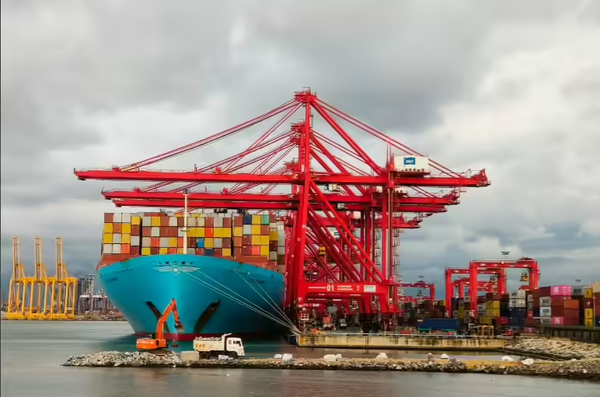
Where Australia’s expertise and comparative advantage tend to lie, however, is more in the supporting systems and services that surround facilities like ports and airports, rather than in the construction of the infrastructure itself. So you may not necessarily see an Australian company building a new runway, terminal, or wharf.
What you may well see — and what I expect we will continue to see in the years ahead — is Australian involvement in areas such as the provision of equipment, like the scanners recently supplied to Palaly Airport and Kankesanthurai Port, as well as training for customs officials, airport and port personnel, and other relevant staff.
There may also be opportunities for cooperation in planning, policy development, and operational management — helping to ensure that these facilities are better positioned to facilitate trade, attract more flights and shipping services, and deliver the greatest possible benefit to the local community.
I think that is where Australian involvement is most likely to be focused moving forward.
You mentioned that Australia has made significant investments in Northern Sri Lanka. Could you highlight some of the key projects Australia has supported in the region?
Certainly.
One example is a programme called GROW, which we implement in partnership with the International Labour Organization. The programme focuses on improving livelihoods in rural communities and creating sustainable employment opportunities, particularly for vulnerable groups.
Under that initiative, Australia has supported a mango and fruit-processing facility near Jaffna. The facility works with local mango growers and producers of groundnuts and other agricultural products. It employs around 30 people, all of them women from the surrounding communities.
The facility purchases produce from local farmers at stable prices and processes it into higher-value products by drying, freezing, pulping, and packaging it. By reducing spoilage and transportation costs while increasing the value of the final product, the project provides farmers with more stable incomes while also creating employment opportunities for local women.
A similar initiative has supported a crab-meat processing facility in the Kilinochchi area. It operates on much the same principle — providing steady markets for local fishing communities while creating jobs, particularly for women.
Another example is Australia’s Direct Aid Program, a small-grants scheme that supports community organisations across Sri Lanka. In the North, one beneficiary has been the Centre for the Handicapped, which produces, repairs, and fits prosthetic limbs for people with disabilities. It provides a complete rehabilitation service for those who require artificial limbs.
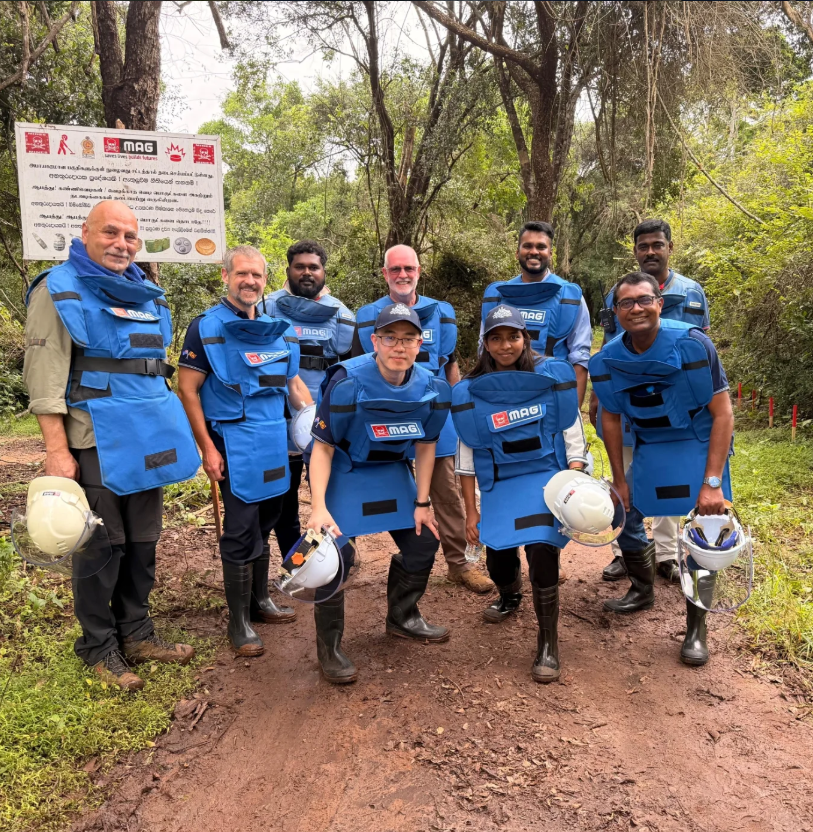
Australia also supports demining efforts in the North through the Mines Advisory Group (MAG), an international humanitarian demining organisation. A few weeks ago, I visited one of its sites in Mullaitivu District, in an area called Moondrumurippu.
The objective is to identify and clear land contaminated by landmines left behind by the civil conflict. MAG works closely with local communities to locate suspected minefields and systematically remove the threat.
This work is about far more than safety. In many rural communities, land remains unused because people fear the presence of landmines. Once that land is cleared, families can return to farming and communities can begin using it productively again.
Earlier in my career, I worked in Cambodia, where Australia supported similar demining efforts. What we found was that even clearing relatively small areas of agricultural land could transform the prospects of an entire village. It created economic opportunities, restored confidence, and improved livelihoods.
Land is fundamental to development. The more land that can be safely returned to communities, the greater the opportunities for economic growth and recovery. The long-term goal is to make Sri Lanka entirely landmine-free. We hope that may be achievable sometime in the early 2030s, although that will depend on the extent of any remaining contaminated areas yet to be identified.
Coming to humanitarian assistance: Australia recently provided support for Sri Lanka’s response to Cyclone Ditwah. Could you explain how this support was delivered, which communities benefited the most, and how Australia ensured the aid reached those in need?
Indeed. Firstly, I’d say Australia recognised very early that Cyclone Ditwah was a far more devastating disaster than I think we had expected it to be.
You mean before the landfall, or after?
After the landfall, we realised very quickly that the situation was far more serious than many had anticipated. Like a lot of people, we knew a storm was coming and expected it to be significant, but I think the sheer scale of its impact surprised many of us.
Once that became clear, we were able to move rapidly. The Australian Government maintains humanitarian response funding through the Department of Foreign Affairs and Trade in Canberra, and I was pleased that we could mobilise those resources quickly. Our immediate priority was to provide essential, life-saving assistance to affected communities.
Within a day or two of the cyclone, Australia announced A$1 million in humanitarian support. Just two days later, as we gained a better understanding of the extent of the devastation, we increased that assistance to A$3.5 million.
That initial support was delivered primarily through United Nations agencies and trusted local partners. The focus was on rapidly providing emergency essentials such as temporary shelter, bedding, food, and critical equipment. One example was the delivery of fortified biscuits through the World Food Programme. These are compact, nutrient-rich emergency rations that require no cooking or preparation and can provide immediate sustenance to displaced populations. We personally received some of these supplies at the airport as they arrived in the country.
The assistance also included cash-transfer programmes, enabling affected families to purchase the items they most urgently needed from local markets.
Much of this support was directed to the areas hardest hit by the disaster, particularly the central highlands, where severe flooding, landslides, and other storm-related impacts were concentrated. We worked closely with organisations such as the World Food Programme, which was able to source and distribute emergency food supplies extremely quickly.
We also partnered with organisations including Save the Children and World Vision, both of which already have extensive networks and experience operating in Sri Lanka. Because of those existing relationships and their presence in vulnerable communities, they were able to rapidly pivot from their ongoing programmes and focus on emergency relief efforts where needs were greatest.
That initial phase of assistance was concentrated on the weeks and months immediately following the cyclone, helping communities that had been displaced or severely affected. However, we also recognised that emergency relief is only the first stage of recovery.
The longer-term challenge is far greater. Sri Lanka now faces the task of restoring roads, rebuilding infrastructure, rehabilitating agricultural land, and repairing housing. There is a tremendous amount of work still to be done, and Australia remains committed to supporting those recovery efforts over the longer term.
As part of that commitment, we have recently announced an additional A$2 million initiative aimed at rehabilitating agricultural land damaged by the cyclone. This programme is primarily focused on food security—helping communities restore their ability to produce the food they need.
The initiative will support the rehabilitation of vegetable cultivation and irrigation systems, and potentially some rice cultivation as well, although the primary focus will be on crops that can be re-established relatively quickly. The objective is to help farming communities restore production and improve access to nutritious food.
This support will be concentrated in the areas where it is needed most, particularly in parts of the Central and Eastern Provinces. The focus will largely be on rural agricultural communities rather than urban centres, targeting the locations where farmland and food production systems suffered the greatest damage and where recovery efforts can have the most immediate impact.
How did Australia ensure the aid reached those in need? Hill-country Tamil leaders have alleged that the government diverted funds to Sinhala-majority areas. How does Australia ensure aid reaches those who need it, given that the worst-affected areas after Ditwah were in the Central Highlands?
The way we ensure it gets to the communities that most need it is by working through those partners I described before. These are organisations we have long-standing partnerships with; we’ve been working with them for many years here in Sri Lanka. They’ve been delivering on-the-ground community support across a range of issues, not just related to Ditwah. Now that the cyclone has hit and left damage in its wake, when we look at how to most quickly and directly get aid to the communities that need it, we go through those partners because their networks already exist. They don’t need to build anything or set anything up — they’re there, and we’re used to working with them, and we know where they are. So if we can provide funding or goods to, say, the World Food Programme, we know they have teams in places like Nuwara Eliya or Ampara or wherever it is, and the goods or the money will get to those communities. And we do a lot of monitoring of this — we’ve already had our teams from the High Commission go to see some of these sites.
Just one thing on the distribution of aid, though — and of course I can’t speak for what the Sri Lankan government is doing — but we do know that there are different impacts in different areas around the country. The whole country was affected by this, but there were very specific impacts in certain areas, like the vegetable-growing areas in the Highlands and in some of the mountainous areas, because that’s where they grow. So it isn’t entirely unusual that some of the money being provided — whether through international partners or the government — tends to get more concentrated in certain areas, because that’s where the judgment is that putting money in now can have the best impact. Again, I can’t speak for specific outcomes, but there is that dynamic at play.
One of the ways we also worked to distribute some of the immediate humanitarian relief was with UNOPS. They have a civil society network called Vriddhi. A lot of the procurement was managed by UNOPS, but it was then given to civil society organizations — very local organisations that work on the ground to reach some of those marginalised communities. That was a very deliberate thing Australia did, because we’re aware that in quick-response situations like this, aid sometimes doesn’t reach those who are most affected, because they are hardest to reach. So we really drew on the local expertise of organisations in Sri Lanka that know their communities, know where they’re based, and understand what their needs were in a situation like that. It helps with that outreach.
This is the “last-mile delivery” we’re talking about — it’s not just getting it to the major city; it’s actually working through very local organisation that can take it to specific villages.
Turning to migration and asylum: Australia strongly discourages irregular boat journeys — I saw some of the advertisements on the way into Colombo — and has run public-awareness campaigns in Sri Lanka warning of the dangers of sea travel. Is this policy driven primarily by humanitarian concern about preventing death at sea, and how does Australia balance that against its obligations towards people seeking international protection? And, given reports of surveillance, harassment, and detention of some returnees, how does Australia monitor the safety of individuals sent back to Sri Lanka?
The first thing I’d say is that, absolutely, Australia’s border settings are driven very largely by our humanitarian concerns about the loss of life at sea. Let’s call this what it is: it’s people smuggling. It’s a trade. There are people deliberately sending ventures, sending boats with desperate people aboard. They are selling a service that is illegal; they are making a lot of money out of this. It is a trade first and foremost, and it preys on vulnerable people.
And what we saw, in particular in and around Australian waters in the early years after 2010, 2011, 2012, was many, many boats trying to enter Australia illegally being lost at sea. We set up Operation Sovereign Borders in 2013, a countrywide border operation aimed at detecting and preventing these illegal arrivals. The main reason we set it up was that, in the five years leading up to 2013, many hundreds of people died trying to make a boat crossing to Australia.
So this is not something we wanted to accept. And it’s not something that partner governments — including Sri Lanka, Indonesia, Malaysia, and others we spoke to at the time — wanted to accept either. So we knew we needed a way to prevent it. Now, Operation Sovereign Borders was just an organisation set up to detect and prevent these vessels. But we knew there also had to be messaging around it to try to stop people getting on the vessels in the first place. That was where the messaging campaign — such as the one you describe at Colombo Airport, and which has been in parts of Sri Lanka for many years now — comes in: “Zero Chance.” The message there is that if you come to Australia by this pathway, this illegal trade, you will not be able to settle in Australia. There’s no chance of that.
That doesn’t mean — and I need to register this point — that we don’t accept humanitarian entry or asylum. In fact, since World War II, we’ve accepted nearly a million people through this humanitarian stream. This is an important part of our immigration. It is a fact that Australia still takes in, globally, quite a large number of humanitarian visas and asylum seekers. But they need to come through a legal pathway. And that does not include getting on a boat. So we take these measures seriously, but it is absolutely driven, fundamentally, by that humanitarian concern.
Now, you also mentioned how this sits against Australia’s international obligations. What I’d say is that, first and foremost, we have continued over a very long period to implement the various international conventions on humanitarian movements and on refugees that we’ve signed up to. As I mentioned, since World War II, refugees have settled in Australia through legal, registered processes. So we take that seriously; we do continue to maintain that pathway.
The other point you made was about resettlement — how Australia applies its international obligations with regard to the concerns the community raises about monitoring and surveillance. What I’d say is that, as a principle, Australia doesn’t forcibly return people to a place where they’re going to be put in harm’s way. And there are some parts of the world where this is a very complex assessment to make. In the countries where we are resettling people, which includes here in Sri Lanka, we do continue to monitor and keep tabs on the treatment and conditions for these people in the country they return to.
So in the case of Sri Lanka, this is part of the reason why, when I travel — or when members of the mission here travel to other parts of the country — we talk to local civil society, local human-rights representatives, and local authorities about what they’re seeing. Within our department back in Canberra, we also have specialised teams that do this as their job. We just do it when we travel, but they look at a broad range of countries and have teams that do very in-depth assessments of conditions. So this is all about trying to understand, as best and as clearly as we can, what the real conditions on the ground are, and then we make judgments based on that.
Do you personally track returnees who were sent back from Australia?
No, we don’t personally track individuals in that way.
So, how do you make sure they are not facing harassment or detention in Sri Lanka?
We look at the broader situation in the country. We look at where there are patterns of behaviour, rather than at an individual experience.
Australia has expressed support for reconciliation and long-term stability in Sri Lanka. How is Australia engaging with the Sri Lankan government on issues such as the return of private land — a major issue in the North — and the gradual reduction of the military footprint in the North and East? I believe more than 70% of the Sri Lankan military is camped in the North and East.
Australia has been involved in Sri Lanka’s reconciliation process for a long time. We’re a supporter of the ongoing reconciliation agenda here, and we continue to work with both communities and the government to encourage steps towards reconciliation — and towards this concept of transitional justice as well, which we think is obviously very important.
We know that land, and access to land, is a really foundational part of this. It’s a particularly important consideration for people in the North and East, I think, for some of the reasons you’ve outlined. These are issues raised by the communities there. When I went to Jaffna in January, travelled around the area and spoke to a range of community groups, land was raised with me consistently. When I went to Mullaitivu just a couple of weeks ago, I again met a broad range of groups. They raised many issues related to their society, but the one common point always came back to land. So I do understand that this is a real and genuine concern for the communities, and that people want a greater sense of title and security over their land. Part of that is about getting access to land that may not have been accessible to them, either because of security or other measures in past years, and part of it is about making sure they’re not inadvertently losing the land they currently access because of other state agencies taking actions in these areas.
The point I make to the government when I speak on these issues is that land and access to land is really important for the reconciliation agenda. It’s important for communities to feel they have their home. But it’s also really important for the development agenda. As I was saying earlier about MAG and the demining effort, we know how connected land is with economic development. We know this government is really committed to developing the North and East of this country — we’ve heard the President speak about this. So it’s something we do talk about, encouraging that, if there are opportunities to give people greater security over their land and greater title to it, that’s going to help development, because it’s going to help investment and help them use their land to improve their own livelihoods. So we definitely want to continue work in this space. It’s always an issue that we know is difficult, but that doesn’t mean we can’t discuss it, and I think we are having some good discussions with the government here on this.
What is Australia's position on the release of land that is allegedly being unlawfully occupied by the military?
Yes. Look, we’ve been encouraged by what we’ve seen with some of the early steps from this government in releasing land in the North. We know they’ve made commitments to release more, and we’re certainly encouraging them to continue to do so. I think the best thing the government can do on land is to keep doing what it’s promised to do — what President AKD has committed to do. This is a really positive step, and we should be encouraging this government for the land releases they’ve already made, and encouraging them to continue, because we know how much benefit it gives the local community when this happens.
Is any of your aid connected to this point?
The main connection we’d have at the moment would be through the Mines Advisory Group’s work in clearing land. We also look at it through some of our development projects — things like how we improve democratic governance, which means how we help ensure that local authorities are best able to understand and respond to community needs. How can we make sure that whatever decisions they make as an authority reflect the needs of their community, that they consult their community, take input from village leaders and community leaders, and provide access to decision-makers for people who ordinarily wouldn’t have access to members of government? We work in this space too, trying to support local-level authorities, in particular, to be more responsive to their community. And that absolutely goes to this question.
17 years after the war, the Northern Province still has one of the highest military-to-civilian ratios in the country. Does Australia view this level of militarisation as compatible with genuine reconciliation?
Look, firstly, what I’d say is that I don’t think it’s really for me to judge what the right level of militarisation is, or the location of military facilities. That’s certainly an issue for the Sri Lankan community and the Sri Lankan government. What I would say, though — and to go back to the point I was just making about democratic governance — is that we know decisions best reflect what a community needs when they are consultative, when they listen to what the community is saying it needs. So we really encourage the Sri Lankan government and the Sri Lankan authorities to take this approach when they’re looking at questions such as the positioning of the military, or the activities the government may have in other parts of the country. The more consultative the government can be, and the more responsive it can be to what local communities say they need, the better the outcomes — for the people, and for the government in the long run as well.
What is Australia’s position on Sri Lanka’s transitional-justice obligations, particularly regarding the Office on Missing Persons and truth-and-reconciliation mechanisms?
Australia has been a long-term supporter of Sri Lanka, fulfilling its international human-rights obligations. A big part of that is strengthening the Office on Missing Persons and the institutions that have a mandate to look into human rights, in particular from the period of the conflict and since 2009. We support more action in this space, more transparency, and efforts to help ensure there is a reconciliation mechanism that meets international standards. We’d very much like to see that, and that’s a view we regularly put to the Sri Lankan government here in Colombo.
My personal view is that any reconciliation agenda, and any domestic human rights agenda, is going to be most effective where it’s authentic and locally led. And I think there’s an important role for the international community — for countries like Australia — to continue to encourage and to press the authorities here to be responsive on these issues, to properly implement a transitional-justice mechanism, and to demonstrate a higher level of accountability.
We really support Sri Lanka doing this, and we want to see a domestic mechanism being successful here. I’ve been encouraged by what I’ve heard from the government on this. I think they’ve been very clear that they are taking a different approach to some of these long-standing human-rights concerns than perhaps previous governments did, and we should encourage them. I’ve also spoken to members of the community — groups like the families of the disappeared — and I’ve heard their concerns and the very deeply held view that measures to date have not met community expectations. So we really want to encourage the government to keep moving in this direction. The steps taken under this government are positive, but we know there’s more that needs to happen, and so we’re going to continue to support this.
Regarding the Prevention of Terrorism Act, a Tamil singer from Kilinochchi was recently arrested under it. The Act remains in force despite this NPP government’s promises of reform. How is Australia engaging Sri Lanka on legal reform in this area — particularly given its disproportionate impact on Tamils — and what does Australia propose as a rights-respecting replacement counter-terrorism framework?
First and foremost, we welcome the commitment to repeal this Act. We know that was part of the election manifesto; it’s something the government has continued to talk about, and we’ve also spoken about it publicly. We welcome that commitment. So we’re certainly looking forward to it proceeding.
Now, we also know, from what we’re seeing around the world, that the government will need some form of legislation to manage terrorism risk. Australia itself has its own anti-terrorism legislation.
What we are, of course, encouraging is that whatever legislation comes next reflects Sri Lanka’s international human rights obligations. Looking specifically at the PTA, it is important that the more problematic and draconian elements of that legislation don’t simply get repeated in whatever comes next.
Again, it is really encouraging to see the steps this government is taking in this regard. We know it’s not done yet, and we know it’s important to keep international community engagement on these issues to help encourage the Sri Lankan government to meet the obligations and commitments it has itself made.
The NPP has promised Provincial Council elections and full implementation of the 13th Amendment. What is Australia’s position on meaningful power-sharing and political devolution for Tamil-majority regions?
I think about this issue by looking at Australia’s own experience. We are ourselves a multi-level government: we have the federal, or central, government; state and territory governments, which are equivalent to provinces here; and then local government. The issue we always face in the Australian context is: where do particular issues need to be best administered — at which level of government? And in our experience, what we always find is that the issues that most impact the daily lives of communities are best dealt with as close to those communities as they can be in the power structure. So it’s important, whenever we’re looking at the governance arrangements here in Sri Lanka, to encourage that localisation of decision-making that affects a local community. It’s really important, and we find this in Australia as well.
It’s not for Australia or for any other country to dictate to Sri Lanka its governance arrangements should be. We can offer our experience, which is that placing decision-making authority as close as you can to where it’s affecting the community generally leads to better outcomes.
On elections, we were really pleased to see such a peaceful, successful, and fair election take place in 2024. That was a real milestone for Sri Lanka, and the fact that those elections were so successful should be celebrated. Inclusive democratic elections and governance always leads to better outcomes for communities. This is why we put development support into initiatives such as helping local authorities, at the provincial or the local level, to be more responsive to the communities around them, because that’s what leads to the best outcomes for people.
How does Australia’s engagement with Sri Lanka fit into its broader Indo-Pacific strategy?
Our Indo-Pacific strategy is how we look at the world now. If you think about where Australia is, we’re an island surrounded by oceans and many other islands. If you draw a big arc around Australia, you’ve got New Zealand, you’ve got the Pacific Islands, then Southeast Asia, Papua New Guinea, Indonesia, and then you keep going, and you come through the Bay of Bengal, through India, through Sri Lanka. That’s what we’re talking about when we talk about our Indo-Pacific neighbourhood. This region is our home, and it’s the part of the world we are most invested in. And Sri Lanka is a big part of this. What we really want for this region is peace, stability, and prosperity. Our Foreign Minister speaks about this all the time, and I think that’s what many of the countries in this region, including Sri Lanka, want for our shared home as well.
Sri Lanka is a really important partner for us in this region. I tend to make the point that Sri Lanka is such a close partner for Australia because we’re neighbours. We’re both islands, we have an ocean between us, but we share a border. We have a demarcation point in the middle of that ocean where our responsibilities overlap on things like search and rescue, safety of life at sea, environmental issues, and the like. So we actually have a very direct connection with Sri Lanka. And we know that what happens in Sri Lanka, and in the waters around Sri Lanka, will affect Australia, and vice versa — because we’re neighbours within this region.
So if we look at Australia’s Indo-Pacific strategy and how Sri Lanka fits into this strategy, we want Sri Lanka to be more resilient, more capable, and more able to make decisions in its own sovereign interest. It’s what we want for ourselves, and we want it for Sri Lanka as well, because we think the whole region is better for it when we’re all able to act in our own interest, make decisions, and cooperate on how we want to run the region.
Our Foreign Minister speaks about “amplified middle-power diplomacy.” When we think of ourselves as a middle power, we’re not trying to frame this like a schoolyard situation where you’ve got the big kids in one corner and the smaller kids in another; that’s not what this is about. Rather, it’s about understanding that we have agency to do certain things, but we can’t do everything. We’re not big enough or powerful enough to simply decide we’re going to make the rules for our region or our world and impose them — nor should we want to. But we need to recognise that we do have influence and we do have agency, in particular when we work together with other partners in this region.
Sri Lanka is also a middle power — and I want to explain why I see it that way. Sri Lanka has agency; it has the capability to act in its interests in this part of the world and to make decisions for itself. We’ve seen it do this; we’ve seen it exert its influence with others very successfully. A good example came a couple of months ago during the T20 World Cup, when Sri Lanka was able to persuade Pakistan and India to agree to play a game here in Colombo. Both countries had said no, they weren’t going to play each other, but Sri Lanka, as one of the hosts of the tournament, was able to use its influence with both governments to get them to agree to play that game. Now, that’s just a cricket game. But this was Sri Lanka using the levers and agency it had to convince its regional partners to do something. That’s what middle-power diplomacy is all about. One day it might be a cricket game; another day it might be an initiative or a joint operation; another day it might be something a lot more serious. But it’s important that all countries in this region think about where our agency is, where we have influence, how we want to use it, and how we can partner with other countries in this region to bring about better outcomes.
Australian companies have shown growing interest in Sri Lanka’s infrastructure and energy sectors. What steps can Sri Lanka take to become a more attractive destination for Australian investment?
Australia and Sri Lanka already have a good level of economic cooperation. We talked about education earlier — that’s one area. Another area is commodity trade, where Sri Lanka aims to become a commodity hub, and Australia is supporting that. We sell things like lentils, wheat, and oats to Sri Lanka. Sri Lanka processes those, turns them into something else, or packages them, and then sells them on to the region. This is creating jobs and value in both countries. We also know there’s Australian investment in sectors such as minerals and agribusiness. These are areas where we have natural competitive advantages. It works really well — Australia working with Sri Lanka, and Australian and Sri Lankan businesses investing in each other’s markets. And we know there’s room to grow this sort of investment.
The best way for Sri Lanka to secure more Australian investment, or more international investment, is by ensuring that the regulatory environment here is accessible, transparent, predictable, and conducive to business coming and operating effectively. Obviously, the government’s steps to maintain stability, and the really important work the government has been doing as it moves through its IMF programme, returning to debt sustainability — that’s vital in the long run. And that’s another factor that will help to attract more international investment.
As for which sectors offer the strongest potential, I think there are a lot of areas where Sri Lanka and Australia can co-invest. I’ve talked about the commodity hub already; that’s a really prospective area. I mentioned minerals and mining — Australia obviously has a lot of expertise and capability that could be brought to bear here in Sri Lanka’s environment. There are also other areas like tourism, where there’s again interest in investment that would help bring more tourists to Sri Lanka. But there’d be a range of areas as well, if the regulatory settings were encouraging for it. So I certainly hope to see more Australian investment, and to see it continue to grow over the coming years. And, frankly, Sri Lankan investment in Australia as well — let’s not forget that that’s also very important.
Australia has reflected on its own history with Indigenous people and pursued truth-telling and reconciliation initiatives. Are there any broad lessons from Australia’s experience that might be relevant to Sri Lanka’s reconciliation journey?
It’s a great question. And you’re right that both of our countries have their own reconciliation agenda. I’m very conscious of that when I think about reconciliation processes here in Sri Lanka — that my own country has been grappling with similar issues over a long period of time. One thing I’d say is that all countries have their own unique experiences when we’re talking about reconciliation and transitional justice. So our conditions are different in that regard. Certainly, for Sri Lanka, we’re looking at dealing with the legacy of the civil conflict. In Australia’s case, we’re looking at the legacy of colonialism and of the displacement of our Indigenous communities. They are different, but at the same time, we can also see that our reconciliation processes have some similarities, and there are some things we can look to in order to understand each other’s experiences.
Australia’s experience of reconciliation journey with our Indigenous population has been going on for a long time. You can trace it back certainly to 1967, when we had our constitutional amendment about recognising Indigenous peoples. That was the first time we’d had that formal legal recognition. And then, of course, you had the big landmark legal cases such as the Mabo decision, which recognised land rights for Indigenous people — again, a major change in Australia’s legal structures. These are big success stories in our reconciliation process. But we know there are many other parts of Australia’s reconciliation journey that haven’t been as successful. Take, for example, our “Closing the Gap” agenda. Closing the Gap is about trying to ensure that Indigenous Australian communities are not lagging behind the rest of Australia on things like educational outcomes, imprisonment and crime rates, economic opportunities, and even things like maternal and health outcomes. And we know, because the data is clear, that our Indigenous communities — and in particular some of the more remote communities — have not kept pace with the rest of society. That is something we need to continue to work on and improve.
So we’ve had hits and misses in our own reconciliation journey, and it isn’t all straightforward. What I think is just so critical, though, is that we keep going. And even where there are elements of our community that resist some parts of the reconciliation agenda — there are always differences of opinion — it’s really critical for governments to recognise that, but not to let it determine your outcomes. The simple act of continuing to make progress and continuing to show this commitment, even when it’s hard and even when on some things it’s not politically popular, is really important for the communities we’re trying to reconcile.
A closing question: What message would you like to share with Jaffna Monitor readers in the Northern Province about Australia’s commitment to the Sri Lankan Tamil community and to strengthening ties with the people of Northern Sri Lanka?
Well, the first thing I’d say is that Australia is so invested in the Northern Province. We have long-standing community connections between the Australian–Sri Lankan community, our Tamil-Australian community, and the Northern and Eastern Provinces as well. We know there are deep historical links, deep community links, and these are just powerful, valuable, precious parts of our relationship. And certainly, for me as the High Commissioner here in Colombo, I’m constantly thinking about what more I can do to deepen and strengthen the relationship between Australia and the Northern Province, and Australia and the Eastern Province, as part of our broader connection with this country.
I’d also say that this background and these community connections mean that Australia has something of an understanding of the history of the Northern Province and the Eastern Province. And I think that helps us to understand a bit more about some of the modern challenges and modern concerns that the communities in these parts of the country have. I don’t want to claim any special insider knowledge, but I will commit to being curious, and I will commit to being engaged. I intend to continue to spend time in the Northern and Eastern Provinces. And with my time here as High Commissioner, I want to do the best job I can to reflect Australia in the Northern and Eastern Provinces — but also to make sure that, when Australia thinks about Sri Lanka, we are thinking about the issues that are relevant for communities in these provinces as well. That’s certainly the commitment I’ll give to you today.