Colombo, March 17, 2026
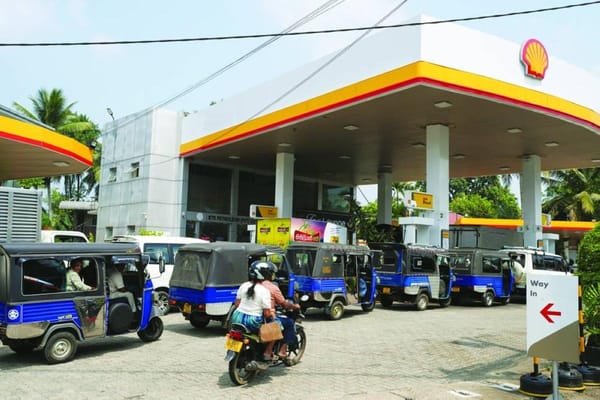
After days of assuring citizens that fuel supplies were sufficient, the Sri Lankan government said on Monday that it would close government offices, courts, state schools, and universities every Wednesday until further notice to manage fuel consumption. The announcement comes as rising tensions in the Middle East have stirred fresh concerns about energy supplies in a country still clawing its way back from one of the worst economic crises in its modern history.
The order was issued following a meeting chaired by President Anura Kumara Dissanayake. Prabath Chandrakeerthi, the Commissioner-General of Essential Services, confirmed the measure at a news briefing, saying authorities were acting out of caution rather than in response to an immediate shortage.
Hospitals, ports, water utilities, and Customs will remain open. Officials asked private businesses to observe the same arrangement, though compliance will not be mandatory.
Sri Lanka imports nearly all its fuel, leaving it acutely exposed to disruptions in global oil markets. The country's foreign exchange reserves, rebuilt painstakingly with roughly $4 billion in assistance from India and a restructuring program backed by international creditors, remain thin by most measures.
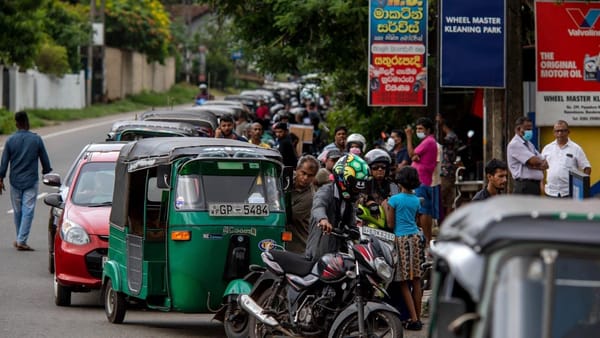
Energy analysts have noted that Sri Lanka's fiscal recovery, while real, rests on assumptions about global commodity prices that are now being tested. Any sustained rise in oil costs would widen the import bill, drain reserves, and revive the kind of balance-of-payments pressure that paralyzed the government in 2022, when hours-long fuel queues became a symbol of national dysfunction.
The comparison to that period is not lost on Sri Lankans. In the depths of the 2022 crisis, the government curtailed public-sector hours, introduced fuel rationing, and encouraged remote work — measures that many citizens associate with the chaos that eventually drove President Gotabaya Rajapaksa from office. Monday's announcement echoes those restrictions, though officials were careful to characterize the new measure as preventive rather than emergency governance.
“The policy is likely to produce trade-offs that the government has not fully addressed. Reduced activity on Wednesdays may lower fuel consumption and ease pressure on foreign reserves, but it also compresses the working week, disrupts service delivery, and raises questions about educational continuity in a school system already strained by years of disruption due to Covid-19 and the subsequent economic meltdown.
“We’ve already lost too many school days,” said Rajesawari Mohan, a teacher in Jaffna. “Another disruption — even once a week — may seem small, but for students and teachers trying to recover from years of missed learning, it adds up quickly.”
For the private sector, the situation is even more complicated. Businesses in manufacturing, logistics, and services that cannot simply mirror the public calendar face a choice between absorbing higher operating costs or accepting reduced output.
“Our clients operate on international schedules — they don’t pause because Sri Lanka shuts down for a day,” said an IT professional in Colombo who works with overseas clients. “I understand the need to save fuel, but how are we supposed to align with both a global work cycle and a local shutdown? It creates confusion, especially when deadlines don’t move because of Sri Lanka’s fuel constraints.”
Officials offered no timeline for how long the Wednesday closures would remain in effect, saying the duration would depend on the evolution of global energy markets and domestic supply conditions.
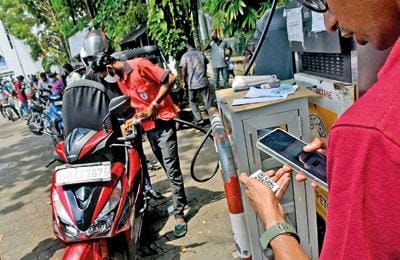
For now, the government appears to be betting that early discipline will buy it time and credibility — and that the disruption of a four-day administrative week is a tolerable cost for shielding a still-fragile economy from external shocks. But the policy also lays bare a political contradiction: measures now embraced by the administration, from QR-based fuel controls to the midweek shutdown, mirror those introduced during the economic collapse — policies once derided by President Anura Kumara Dissanayake and the National People’s Power when they were in opposition.
A short video of President Anura Kumara Dissanayake mocking the QR-based fuel system during his time in opposition has gone viral on social media, drawing pointed reactions from users. “Opposition is different from governance,” read one widely shared comment, while another noted, “Even they may not have imagined they would come to power.”