

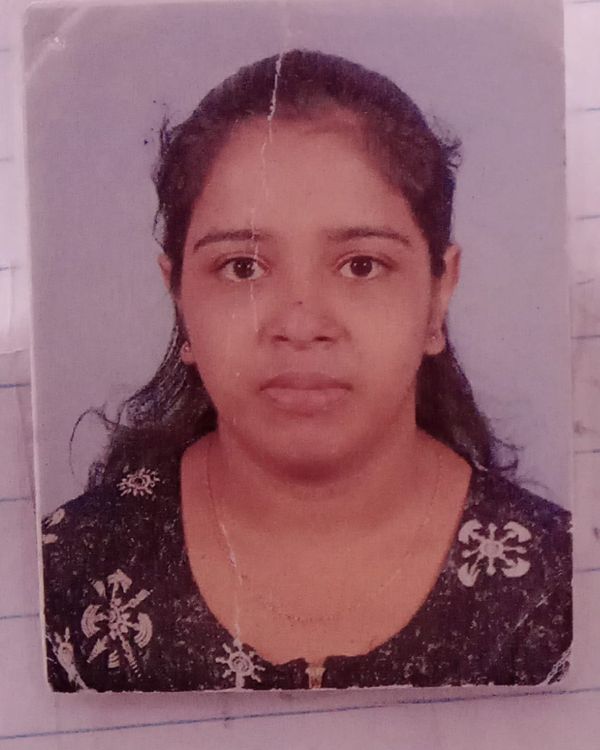
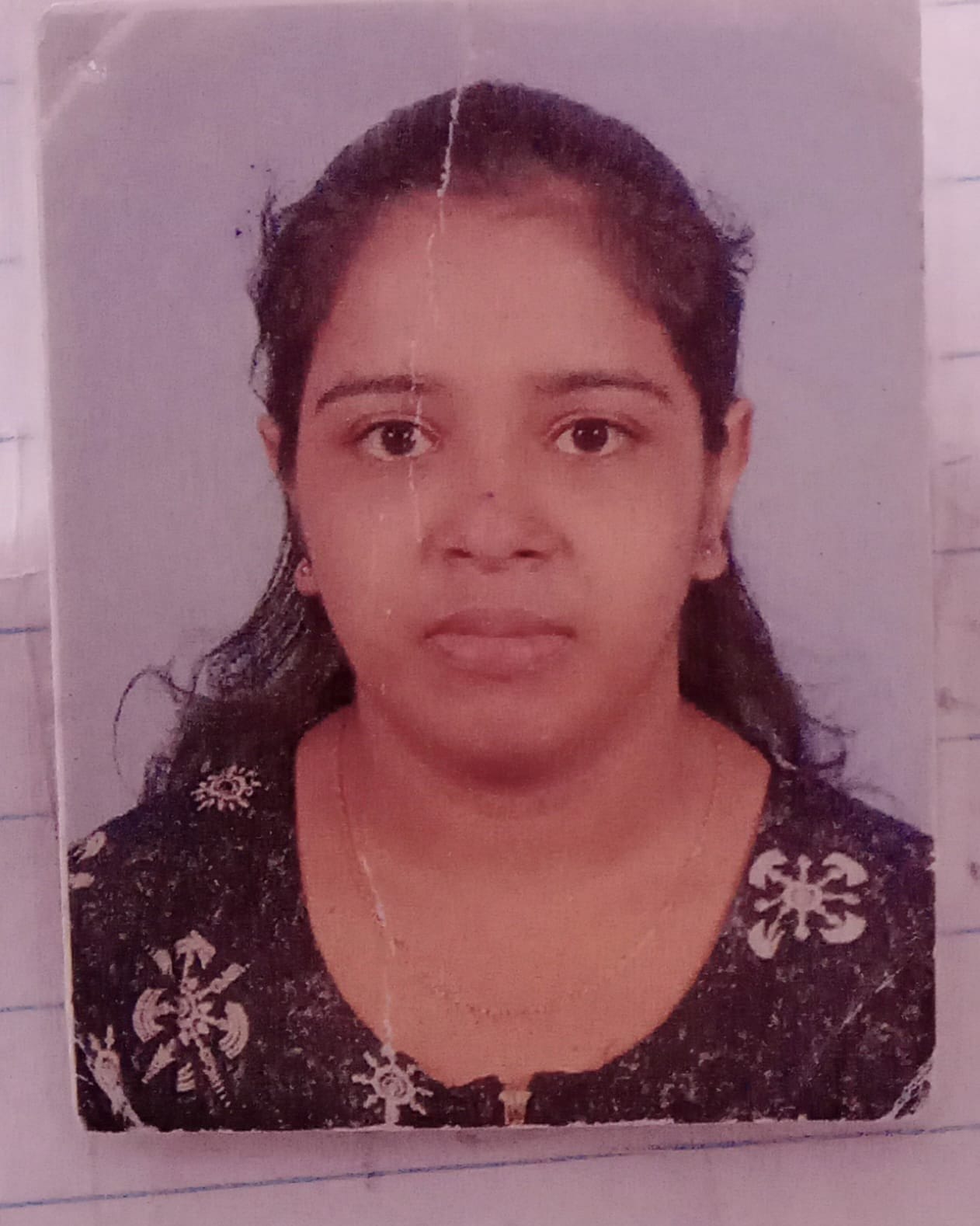
Jaffna Network Behind Ishara Sewwandi’s 8-Month Flight to Nepal

Jaffna Network Behind Ishara Sewwandi’s 8-Month Flight to Nepal


Share this post

Ishara Sewwandi, the prime suspect in the February 19, 2025, murder of underworld figure Ganemulla Sanjeewa at Colombo Magistrate's Court, has been apprehended in Nepal following a coordinated international operation.

The 25-year-old suspect fled Sri Lanka shortly after allegedly assisting the gunman who shot Sanjeewa inside the courthouse. Police revealed that Sewwandi escaped with the help of a Jaffna man, identified as Kennedy Bastian Pillai — also known as J.K. Bai — who facilitated her remarkable journey across international borders.

According to investigators, Sewwandi first traveled from Midiganiya by boat to India, where she stayed for three days before boarding a train to Nepal. The elaborate escape operation cost approximately Rs. 6.5 million, with Bai financing her accommodation, food, and travel expenses.

Police also uncovered a sophisticated plan to use a "dummy woman"—someone resembling Sewwandi—to obtain visas for Dubai, India, and Nepal. The woman providing the false identity has also been arrested.

Five suspects were detained in the Nepal operation, including the Jaffna couple who provided shelter to Sewwandi. An INTERPOL Red Notice had been issued for her arrest.

Police Spokesperson SSP Nihal Thalduwa described Sewwandi as more than an accomplice, stating she was "the middlewoman who coordinated the killers" behind several underworld-linked crimes.

At the time of this Monitor Memo’s writing, Sewwandi was awaiting repatriation to Sri Lanka to face charges. Meanwhile, investigations continue into how the escape route and shelter network were organized across national borders.


Share this post

Be the first to know

Join our community and get notified about upcoming stories

Subscribing...
You've been subscribed!
Something went wrong
After Assurances, Thaiyiddy Landowners Agree to Survey in Temple Dispute

After Assurances, Thaiyiddy Landowners Agree to Survey in Temple Dispute

THAIYIDDY, Sri Lanka — For more than three decades, Sarujan Sukumari and many others were unable to set foot on their family lands. Seized by the military and designated a High Security Zone, the area remained inaccessible even after the war ended in 2009. Years later, as the country settled into an uneasy peace, a Buddhist temple rose on what had once been their ancestral property. Recently, she and other landowners sat in a government conference room in Jaffna as a cabinet minister and senio


Our Reporter

Our Reporter

The War That Reopened What Was Already Open

The War That Reopened What Was Already Open

By Abbi Kanthasamy The real winners of this war were not the Iranian people, not the Lebanese, not the Gulf Arabs, not the Americans, and certainly not the poor fools told to clap every time a missile takes off on television. The winners were the people who always win. The weapons manufacturers. The oil traders. The consultants in expensive suits using phrases like maritime de-risking and regional deterrence posture. The lobbyists. The think-tank parasites. The men who can turn blood into bil


Abbi Kanthasamy

Abbi Kanthasamy

A Tale of Two Energy Landscapes: Trincomalee Oil Tanks and Jurong Island

A Tale of Two Energy Landscapes: Trincomalee Oil Tanks and Jurong Island

By: Dr. Gamini Goonetilleke The contrasting stories of the oil tank farm in Trincomalee and the development of Jurong Island, located to the southwest of mainland Singapore, provide a powerful example of how vision, planning, and governance can shape the destiny of strategic assets. Both locations possess significant geographical advantages and lie along major maritime routes. Yet, while Jurong Island has grown into a global energy and petrochemical hub, the Trincomalee oil tanks have r


Dr. Gamini Goonetilleke

Dr. Gamini Goonetilleke

The Batalanda Report Was Tabled. A Year Later, Justice Was Not

The Batalanda Report Was Tabled. A Year Later, Justice Was Not

COLOMBO — One year after Sri Lanka’s Attorney General received the Batalanda Commission report — detailing torture chambers, extrajudicial killings and enforced disappearances during the government’s suppression of the Janatha Vimukthi Peramuna (JVP) insurrection — no one has been charged, no prosecutorial update has been issued, and the parliamentary debate that was promised has yet to be scheduled. The silence that has followed, political analysts say, reflects not only legal complexity but a


Our Special Correspondent

Our Special Correspondent