

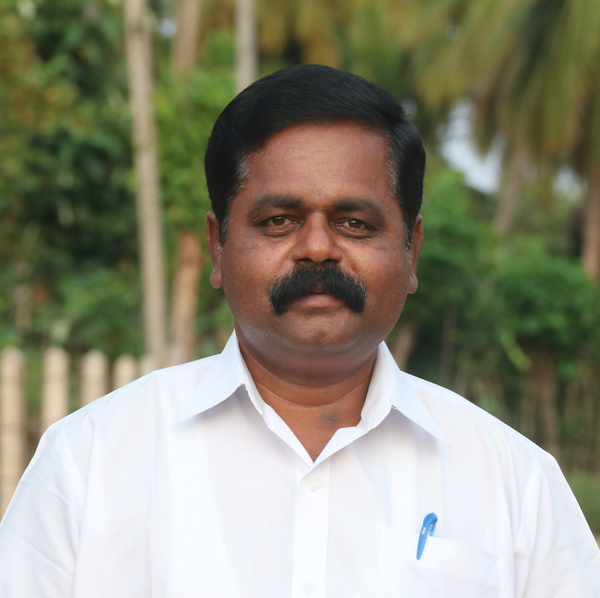
MAYILIDDY, Sri Lanka — S. Sritharan, a lawmaker representing the Ilankai Tamil Arasu Kachchi (ITAK), on Friday called on President Anura Kumara Dissanayake to immediately release military-held lands in Valikamam North, where displaced residents have been staging weekly protests demanding the return of their ancestral properties nearly 17 years after the end of Sri Lanka’s civil war.
Mr. Sritharan made the appeal while addressing a black-flag demonstration that entered its sixth consecutive week. Organized by residents from several Grama Niladhari divisions in Valikamam North, the protest was held outside the military commander’s bungalow in the High Security Zone area of northern Jaffna.
The protesters, many of whom were displaced during the conflict, are seeking the return of privately owned lands that remain under military control despite repeated pledges by successive governments to release them.
Speaking to the gathering, Mr. Sritharan said families forced to leave the area in June 1990 continued to be denied the opportunity to return to their homes and rebuild their lives.
“Thirty-six years after they were displaced, and seventeen years after the war ended, many of these people are still living with relatives, friends, or in rented accommodation,” he said.
Mr. Sritharan accused the government of failing to fulfill promises made before coming to power.
“The present administration promised to release these lands, yet nearly two years after taking office, the issue remains unresolved,” he said.
He argued that much of the land was no longer being retained for legitimate security purposes and alleged that portions of it were being used for military-run agricultural activities.
“If international organizations and human rights observers visit these areas, they will see that these lands are not being used solely for military camps,” he said. “The people simply want to cultivate their own lands and earn their livelihoods.”
The continued occupation of private land remains one of the most sensitive post-war issues in Sri Lanka’s Northern Province. Although the military has returned significant areas since the conflict ended in 2009, residents and Tamil political leaders contend that substantial tracts of ancestral land remain inaccessible to their owners.
Mr. Sritharan said he had requested updated information from security authorities on the extent of land still under military control and the number of families awaiting resettlement ahead of a District Coordinating Committee meeting scheduled for June 19 at the Jaffna District Secretariat.
He said the information would form the basis of further efforts to pressure the government to accelerate land releases and facilitate the resettlement of displaced families.
The demonstrations have become a weekly fixture in Valikamam North, with protesters rejecting official claims that the continued military presence is necessary for security and arguing that prolonged occupation has prevented thousands of families from returning to their lands decades after their displacement.
“Rather than offering empty promises and delaying tactics, the government must listen to the legitimate demands of these people and take immediate steps to resettle them on their own lands,” Mr. Sritharan said.