
Dr. Ruwan M Jayatunge, M.D. PhD
The onset of the Ukrainian war in 2014 created significant manpower challenges, prompting both Russia and Ukraine to recruit former soldiers from various nations. This situation has led to the involvement of numerous ex-combatants and military personnel from Sri Lanka, driven largely by the country's severe economic conditions. Many veterans have unfortunately become targets for human trafficking networks and misleading social media campaigns that promote lucrative, non-combat positions. As a result, a considerable number of individuals have travelled to the conflict zone to enlist in either the Russian or Ukrainian armed forces.
Initially, the agents assured recruits that their roles would be limited to non-combat positions in the rear. However, upon deployment, the reality proved starkly different. Many veterans, lured by the promise of safer jobs such as driving or cooking, found themselves thrust into the chaos of the frontlines, serving as mercenaries and facing direct enemy fire.
The issue of unofficial military deployments involving former Sri Lankan combatants has escalated into a significant governmental concern. According to estimates from parliamentary inquiries and independent human rights organizations, approximately 2,000 experienced veterans have joined foreign military forces. The Sri Lankan Foreign Ministry has officially recorded 554 individuals who have enlisted in the Russian military. Furthermore, reports suggest that at least 275 Sri Lankans have lost their lives while fighting for Russia, a number that likely underrepresents the actual casualties, particularly when contrasted with the 59 fatalities acknowledged by the Sri Lankan government.
While government figures previously acknowledged 59 fatalities, investigations by Ukraine's Coordination Headquarters for POWs and the Organized Crime and Corruption Reporting Project (OCCRP) have revealed that at least 275 Sri Lankans have lost their lives while fighting for Russia. Additionally, more than 120 individuals are reported missing or have lost all contact with their families, and Ukrainian forces have captured several former soldiers. They are currently being held as Prisoners of War.
The combatants of Sri Lanka engaged in a prolonged conflict known as the Eelam War, which left many of them with both physical injuries and deep psychological scars. Following their retirement from active duty, numerous veterans found themselves grappling with a loss of identity and diminished social standing, as the transition to civilian life proved challenging.
Understanding the motivations that lead former combatants to become mercenaries is crucial, as they extend beyond mere economic hardship. Many of these individuals are drawn back to conflict zones due to a psychological phenomenon known as trauma reenactment. This occurs when veterans, burdened by moral injury or survivor's guilt, feel an unconscious urge to reconnect with their past traumas, often leading them to engage in conflicts that are not directly related to their own experiences. For these individuals, a peaceful environment can seem unpredictable and threatening, while chaotic or dangerous settings feel familiar and manageable. This sense of familiarity compels them to recreate chaos, thereby regaining a sense of control in the face of perceived dangers.
Reports have emerged indicating that that some former combatants from Sri Lanka are now aligning with their former enemies, including members of the Jeyanthan Brigade of the Liberation Tigers of Tamil Eelam (LTTE). This complex situation underscores the lasting effects of war on personal identities and the intricate relationships within post-conflict societies.
This account presents the personal experience of a Sri Lankan ex-combatant who participated in the conflict in Ukraine. The narrative offers insights into the challenges faced during the war, reflecting on the complexities of combat and the emotional toll it takes on individuals involved.
Sargent GK is a combat veteran who initially served in the Sri Lanka Sinha Regiment and later in the Sri Lanka Army's special forces. He spent a number of years in Northern Sri Lanka fighting the LTTE, a separatist military organization. Throughout the course of the armed conflict, he witnessed a series of traumatic battle incidents that profoundly affected his emotional well-being.
After retiring from military service, he dedicated much of his time to his family; however, the financial difficulties he faced began to weigh heavily on him. Having been a fully engaged combat soldier, the transition to civilian life proved to be monotonous and unfulfilling. It was during this period of restlessness that he learned about job opportunities available for former soldiers in Russia, which sparked a glimmer of hope. Intrigued by the prospect of a new beginning and the chance to utilize his skills in a different environment, he decided to pursue this opportunity, eager to see if fortune would favour him in this new chapter of his life.
He contacted an agent and invested 750,000 Sri Lankan rupees, which is roughly equivalent to 2,278 US dollars, to secure a position abroad, enticed by the prospect of earning a monthly salary of 200,000 Russian rubles, approximately 2,748 US dollars. Sargent GK shared his experiences as he traveled to Moscow, where he was subsequently transferred to a base camp in Ukraine. There, he participated in a comprehensive 14-day training program alongside fellow recruits from various countries, including Sri Lanka, Bangladesh, India, and several African nations. Notably, many of these individuals were not engaged in combat roles; instead, they were primarily support staff, fulfilling essential functions such as cooking and driving.
Upon completing their basic training, the soldiers were informed that they would be deployed to the front lines of the war. For Sergeant GK, who had previously faced the rigors of combat, this news did not come as a shock; he resolved to embrace the challenge and prepare for the realities of battle. In contrast, many of his fellow recruits were overwhelmed by a sense of dread and disbelief at the prospect of serving in such a perilous environment. The weight of this revelation settled heavily on them, as they grappled with the fear of the unknown and the daunting responsibilities that lay ahead.
Sargent GK expressed concerns regarding the inadequacy of the 14-day training program, highlighting that it failed to adequately prepare the personnel for the challenges they would face. Many soldiers completed the training without a clear understanding of the enemy they were about to confront, nor were they familiar with the types of weaponry they would encounter in combat. This lack of preparation extended to their unfamiliarity with the terrain, which impacted their operational effectiveness. Additionally, the soldiers were not briefed on the climatic conditions they would experience, which further complicated their ability to adapt and respond to the environment during their missions.
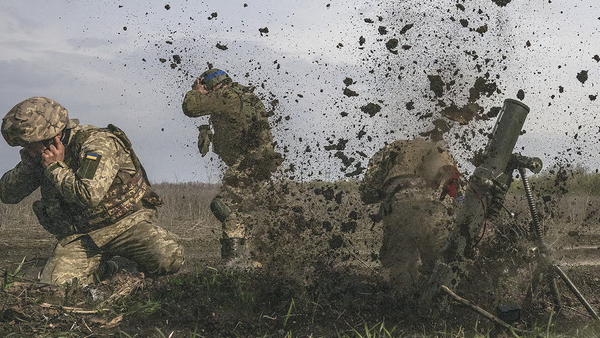
Upon their arrival at the front lines, the soldiers encountered a formidable and elusive adversary, marked by the pervasive use of drone warfare, which led to substantial losses within their ranks. Sargent GK found himself deeply unsettled by the absence of organized evacuation efforts for both the deceased and the critically injured, a stark departure from his previous experiences during the Eelam War in Sri Lanka. In that conflict, he had been confident that if he sustained injuries, his comrades would promptly come to his aid and facilitate his evacuation. Furthermore, he held a firm belief that, should he fall in battle, his body would be recovered by his fellow soldiers. However, the situation in the Ukrainian war starkly contrasted this expectation, revealing a troubling lack of coordination and support for the wounded and fallen, leaving him to grapple with the harsh realities of modern warfare.
The absence of unit cohesion was noticeable, leading to a pervasive atmosphere where each soldier was left to fend for himself. The grim reality was that if one were to sustain serious injuries, the likelihood of receiving assistance from comrades was virtually nonexistent; they would not be carried to the field medical units. This precarious situation fostered a deep-seated anxiety among many soldiers, who found themselves grappling with feelings of cynicism and a profound sense of helplessness. The knowledge that their survival depended solely on their own resilience, rather than the support of their peers, created a psychological burden that weighed heavily on their morale and overall effectiveness in the field.
Sergeant GK noted that Russian senior officers rarely visited the front, and language barriers created confusion among the mercenaries. The team found themselves in a state of heightened alert, as there was no prior debriefing or comprehensive explanation of the mission at hand. Instead, they were compelled to respond swiftly to unexpected directives that arrived without warning. This lack of preparation created an atmosphere of uncertainty, where each member had to rely on their instincts and training to navigate the unfolding situation. The abrupt nature of the orders demanded immediate action, leaving little room for discussion or strategic planning.
Amidst the chaos of the battlefield, he witnessed the harrowing toll of war as his comrades fell victim to relentless drone strikes and the merciless barrage of artillery fire. The sight of injured soldiers and the lifeless bodies strewn across the ground became a grim reality that haunted him daily. Despite the profound loss, there was a disheartening lack of acknowledgment or reverence for the fallen; their remains lay neglected, slowly succumbing to decay. In the dense forests surrounding the conflict zone, he frequently stumbled upon human remains, a stark reminder of the violence that engulfed them. Each encounter was a deeply unsettling experience, leaving an indelible mark on his psyche as he grappled with the brutality of war and the indifference it often elicited.
The soldiers faced significant challenges due to the irregularity of their food rations, which compelled them to seek additional supplies from nearby shops. Their primary sustenance included staples such as rice, bread, chicken, canned goods, fish, and occasionally, vegetables. To manage their meals, they set up makeshift field kitchens, allowing them to prepare simple dishes, including soup, on occasion.
Amidst these difficulties, he found solace in receiving his guaranteed monthly salary of 200,000 rubles, which was conveniently deposited into his bank account. This financial support not only provided him with a sense of relief but also enabled him to send much-needed funds to his family residing in Sri Lanka, ensuring their well-being despite the distance.
In the Eelam War in Sri Lanka, Sergeant GK engaged with rebels, targeting their bankers. In contrast, during the conflict in Ukraine, he encountered a different kind of warfare, characterized by the presence of drones equipped with six bombs that struck unexpectedly. The sight of these drones prompted immediate reactions, as soldiers would scramble for cover, a response he was unaccustomed to. Additionally, he faced the relentless artillery fire from Ukrainian forces, which resulted in significant casualties. Amidst this unfamiliar battleground, he came to a stark realization: if he were to be killed or severely injured, there would be no one to recover his body, leaving it to decay in the frigid terrain.
The foreign mercenaries found themselves engulfed in a climate of uncertainty and confusion, largely due to the absence of effective leadership to direct their efforts or orchestrate significant offensives. This lack of guidance left them vulnerable, as they often lived in anticipation of the deadly drones that patrolled the skies, prompting them to adopt various evasive strategies. The weaponry at their disposal proved inadequate for countering the Ukrainian drones, rendering them largely defenceless. Whenever the ominous sound of the drones approached, or they caught sight of them overhead, the soldiers instinctively sought refuge, scrambling for any available shelter to protect themselves from the imminent threat.
Amidst the harsh realities of warfare and the bittersweet recollections of their homeland, Sergeant GK recounted how the foreign mercenaries sought solace through entertainment. In a bid to uplift their spirits, the soldiers gathered to sing traditional songs from their native cultures, their voices rising above the sounds of conflict. They also engaged in lively dances, captivating an audience composed of international onlookers who were drawn to the vibrant display of camaraderie and cultural expression. Ingeniously, they transformed everyday utensils into makeshift drums, creating rhythmic beats that resonated with a sense of unity and joy. These fleeting moments of celebration provided the soldiers with a much-needed respite, allowing them to experience brief intervals of happiness amidst the chaos of the battlefield.
After serving for ten months, Sergeant GK made the difficult decision to request a discharge from active duty, yearning to leave the front lines behind. The weight of personal issues at home compelled him to seek resolution, and he felt an urgent desire to return to his family. However, the bureaucratic process for obtaining the necessary clearance was lengthy and fraught with delays. Once he finally received the long-awaited approval, he made his way to Moscow, where he boarded a flight to Colombo, eager to escape the turmoil of the ongoing conflict in Ukraine and find solace away from the battlefield.
After returning to Sri Lanka, he has taken up the life of a farmer, yet he finds himself grappling with significant financial difficulties. The weight of his past looms heavily over him as he struggles with haunting memories from the two wars he fought. These recollections not only affect his mental well-being but also serve as a constant reminder of the violence and chaos he endured. Despite the challenges he faces in his current life, he has no intention of revisiting the battlefields of Eastern Europe, firmly resolved to leave that chapter behind and seek a more peaceful existence.
Although Sergeant GK's combat journey ended, many former combatants are drawn to the prospect of travelling to either Russia or Ukraine to engage in combat against an abstract adversary with whom they have no personal ties. These individuals are motivated by the potential financial rewards that accompany such perilous endeavours, fully aware of the risks involved in putting their lives on the line for a cause that remains distant and often unclear. This phenomenon raises questions about the allure of conflict and the complex motivations that drive individuals to seek out danger in foreign lands, often in pursuit of monetary gain rather than ideological conviction.
The involvement of Sri Lankan soldiers in the Ukrainian conflict as mercenaries raises significant questions about their motivations and the potential consequences they face. Many of these individuals may be driven by economic hardship, seeking financial stability in a war-torn region where their skills can command higher pay.
However, the ramifications of such decisions are profound and troubling. The likelihood of experiencing psychological trauma is high, as they may encounter the brutal realities of warfare, leading to a dual layer of trauma that could haunt them long after the conflict ends. Furthermore, the grim possibility of death looms large; should they perish in combat, their remains may never be returned to their families, leaving loved ones without closure. In cases where soldiers go missing in action, the absence of reliable authorities to investigate or provide answers exacerbates the anguish for their families, who are left in a state of uncertainty and despair. This complex interplay of motivations and outcomes underscores the precarious nature of mercenary work in such volatile environments.