Kneeling, Beaten: Tamil Fisherman Accuses Navy Intelligence of Abuse in Batticaloa

Kneeling, Beaten: Tamil Fisherman Accuses Navy Intelligence of Abuse in Batticaloa


Share this post

April 8, 2026

BATTICALOA, Sri Lanka — A fisherman in eastern Sri Lanka has filed a formal complaint with the Human Rights Commission, accusing Navy intelligence personnel of subjecting him to prolonged physical abuse and public humiliation following his arrest over the alleged use of a banned fishing net, according to documents submitted to the commission on Wednesday.

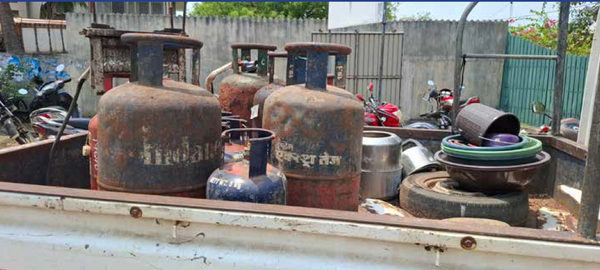
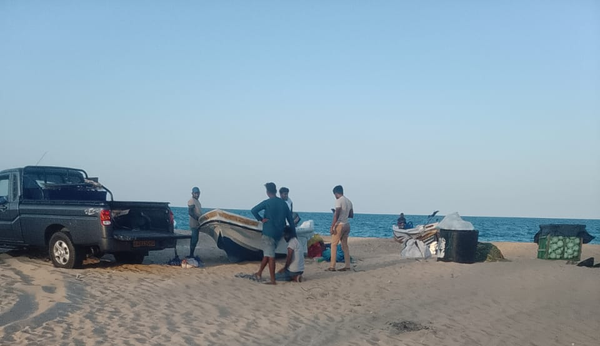
The fisherman, identified as Nandheesan, said he was detained on April 5 while fishing off Chettipalayam beach in Batticaloa by a team of five intelligence officers affiliated with the Kallady naval camp who were dressed in civilian clothing. The officers, he said, found him in possession of lead weights used for a “surukku” net — a type of net banned under Sri Lankan fisheries regulations.

Nandheesan said he acknowledged having the net and surrendered it at the scene without resistance. What followed, he alleged, was a prolonged episode of abuse: he was forced to remain kneeling on the ground for nearly two hours and was beaten by the officers during that time. He also said he was denied access to medication, despite informing the officers that he has diabetes.

The incident took a further turn when his wife arrived at the scene and attempted to document the alleged abuse using her mobile phone. According to the complaint, the officers confiscated her device, deleted the footage, subjected her to verbal abuse, and threatened her with arrest.

Nandheesan was subsequently taken to the Kaluthavalai naval camp before being handed over to officials from the Department of Fisheries and Aquatic Resources in Batticaloa.

In his complaint, Nandheesan described lasting physical and psychological effects from the episode. He said the public character of the alleged punishment compounded the harm: his children and hundreds of local residents witnessed him being made to kneel in the street, an experience he described as a source of profound humiliation. In its aftermath, he said, his children have been reluctant to attend school.

Nandheesan also questioned why he had been singled out for enforcement action, saying that more than a hundred others in the area use similar fishing methods without facing consequences. He has called on the authorities to pursue legal action against the officers he named in the complaint.

The Sri Lanka Navy had not responded to the allegations as of Wednesday evening. The Human Rights Commission of Sri Lanka has not yet issued a public statement on the complaint.

The use of the surukku net, which functions by drawing a weighted enclosure tight around a catch, is prohibited under national fisheries law owing to concerns about its impact on fish populations and sea-floor habitats.

Enforcement of the ban has been uneven along the eastern coast, and fishing communities have long complained of selective and at times abusive application of the regulations.

Share this post

Be the first to know

Join our community and get notified about upcoming stories

Subscribing...
You've been subscribed!
Something went wrong
From Remittances to Investment: Rethinking the Tamil Diaspora’s Role

From Remittances to Investment: Rethinking the Tamil Diaspora’s Role

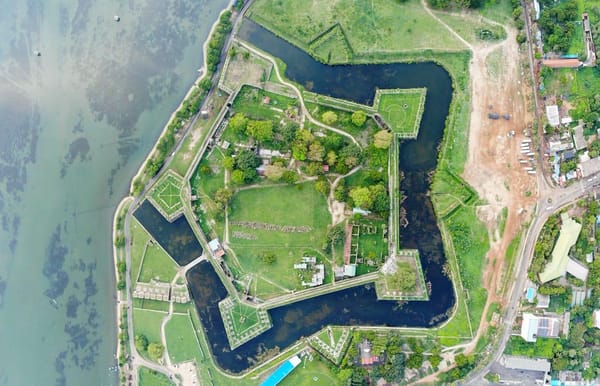
The Tamil diaspora has long been an integral part of Jaffna’s social, economic, and cultural landscape. Spread across countries such as Canada, the United Kingdom, Australia, and parts of Europe, this global community has maintained strong and enduring ties with Northern Sri Lanka. These connections have been expressed through family relationships, financial support, cultural exchange, and political engagement. During periods of conflict and immediate post-war recovery, diaspora contributions p


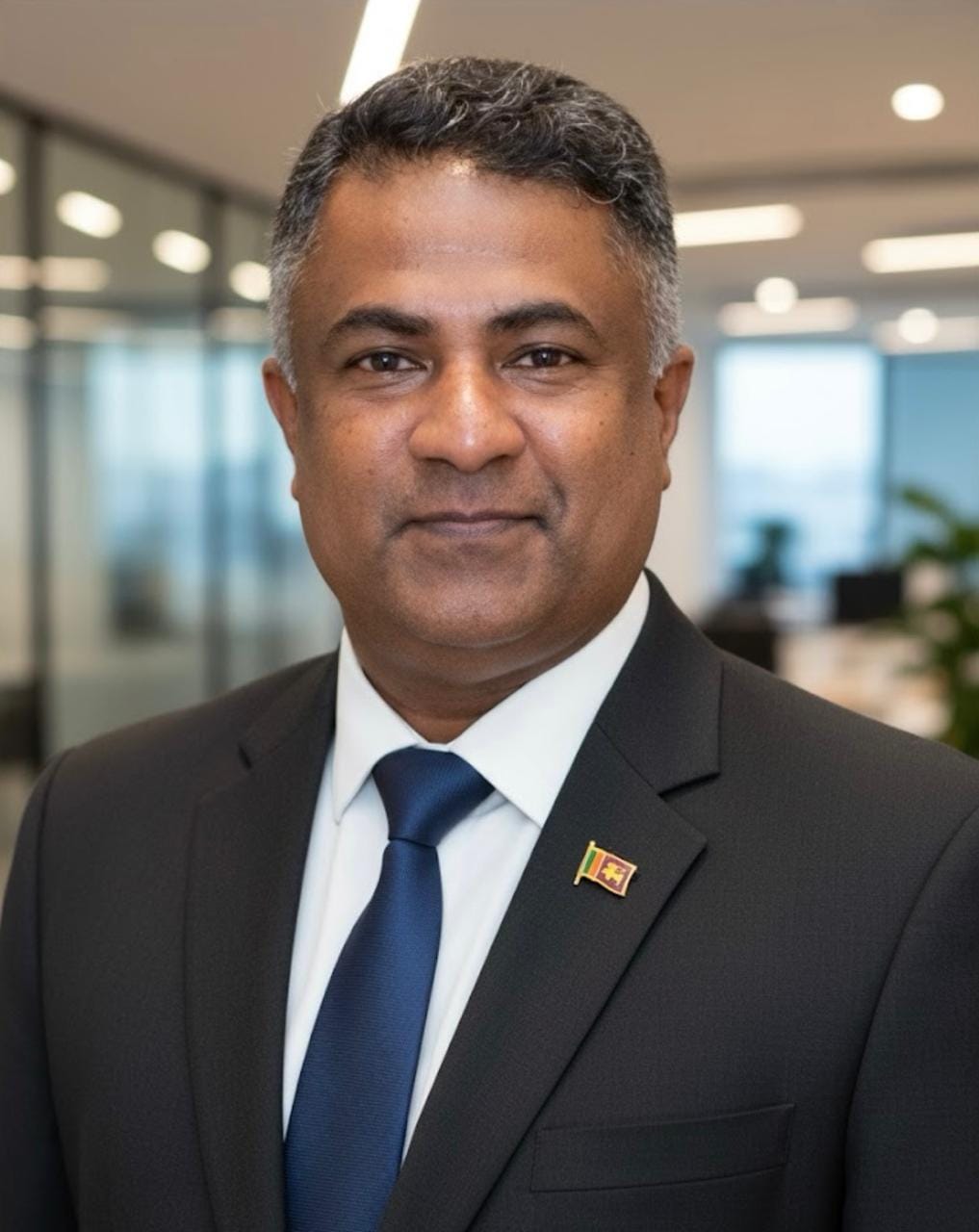
Colonel Nalin Herath

Colonel Nalin Herath

Exclusive: Iran’s Ambassador Sets Out Tehran’s Position on the Strait of Hormuz

Exclusive: Iran’s Ambassador Sets Out Tehran’s Position on the Strait of Hormuz

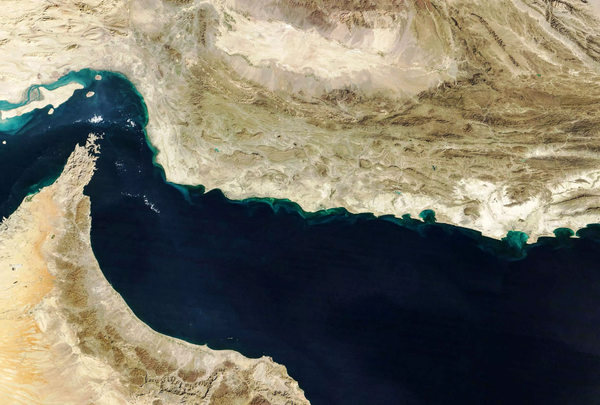
By: Dr. Alireza Delkhosh, Ambassador of the Islamic Republic of Iran to Sri Lanka On 28 February 2026, the United States and the Zionist regime, through an unlawful act of aggression contrary to the fundamental principles of international law, acted against the territorial integrity and national sovereignty of the Islamic Republic of Iran. In response, and within the framework of the inherent right of self-defense pursuant to Article 51 of the Charter of the United Nations, the Government of th


Dr. Alireza Delkhosh

Dr. Alireza Delkhosh

The Business of Hope: How IMHO Helped Rebuild Lives in Sri Lanka

The Business of Hope: How IMHO Helped Rebuild Lives in Sri Lanka

Two decades ago, a small group of Tamil professionals in the United States asked a simple question: instead of meeting and eating, why not do something for our people? What grew from that conversation has transformed hospitals, restored sight, saved hearts, and quietly rewritten the story of a community that war nearly erased.  By: Aruliniyan Mahalingam I have no formal connection to the medical profession. Yet, in a way that feels almost inevitable, I have always found myself surrounded by do


Aruliniyan Mahalingam

Aruliniyan Mahalingam

Appointed, Then Abandoned: The Betrayal of Northern Health Volunteers

Appointed, Then Abandoned: The Betrayal of Northern Health Volunteers

By: Jeevan Thiagarajah A Travesty of Justice in the Northern Province In the annals of public service recruitment, few stories are as harrowing or as indicative of systemic failure as the plight of the Health Services Volunteers in the Northern Province. This is a saga marked by a cruel travesty of justice, where the hopes of the most vulnerable were raised and dashed by the very system designed to protect them. The most damning aspect of this tragedy is that letters of appointment to gove


Jeevan Thiyagaraja

Jeevan Thiyagaraja